
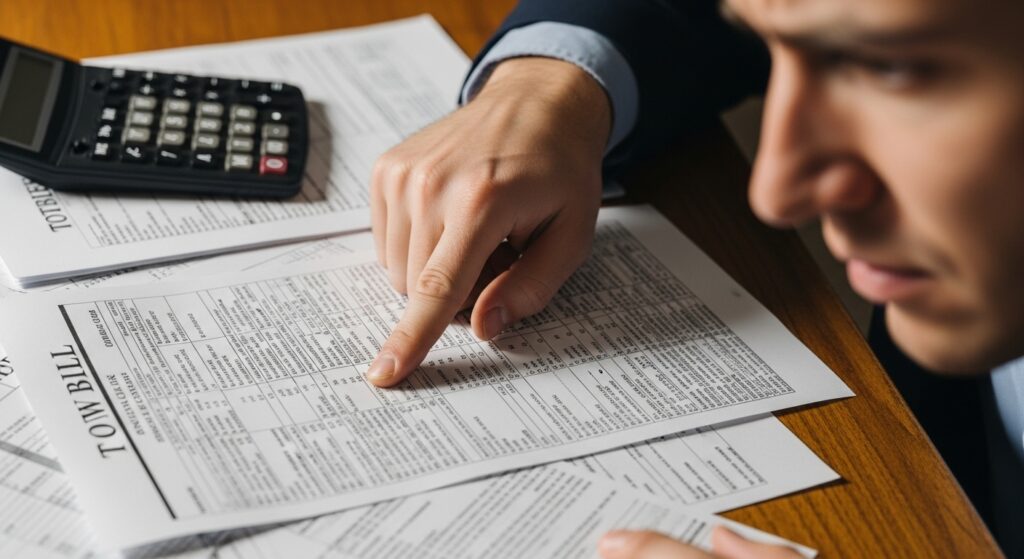
A Practical Guide to Dispute a Tow Bill and Win
That sinking feeling when you see the final towing bill can be overwhelming. The number is often far higher than you anticipated, leaving you feeling helpless and frustrated. But what if the charges seem unfair or padded with mysterious fees? You don’t have to simply accept an excessive bill. You have the right to question the charges and, if necessary, formally dispute the tow bill. This guide will walk you through your consumer rights, the steps to review and challenge your invoice, and how to empower yourself against predatory practices.
Introduction: Why You Might Dispute a Tow Bill
Most towing companies operate ethically, providing a crucial service when drivers are most vulnerable. However, a small fraction may engage in unfair practices, from price gouging to adding unauthorized charges. You might need to dispute a tow bill if you notice exorbitant mileage rates, unexplained “administrative” fees, or charges for services that were never performed. Understanding the typical factors that influence how much does towing cost is the first step in identifying when a bill is truly out of line. If the final amount seems disconnected from the service you received, it’s time to take a closer look.
Common Reasons for Excessive Towing Charges
An inflated tow bill can stem from various sources. Being aware of these common issues will help you scrutinize your invoice more effectively.
- Inflated Mileage: Charging for more miles than were actually driven.
- Unjustified Special Equipment Fees: Billing for equipment like a flatbed or dolly when it wasn’t necessary or used.
- Excessive Labor or Wait Time: Padding the bill with time the driver spent on non-related tasks or unreasonable delays.
- Unauthorized Services: Adding services you never requested or approved, such as winching when the vehicle was easily accessible.
- Hidden Administrative or Gate Fees: Vague fees that are not clearly defined or disclosed upfront.
Understanding Impound and Storage Fees
One of the most significant costs can be daily storage fees if your vehicle is taken to an impound lot. These fees can accumulate rapidly. A dispute may be warranted if you were charged for storage during a period when the facility was closed and you were unable to retrieve your vehicle, or if the daily rate is significantly higher than local regulations allow.
How Much Does Towing Cost? A Complete 2025 Tow Truck Price GuideYour Rights as a Consumer in Towing Situations
Knowledge is your greatest asset. While towing laws vary by state and municipality, several consumer rights are broadly protected. It’s crucial to research your specific local and state regulations, but generally, you have the right to:
- Receive an Itemized Invoice: The bill must clearly break down every single charge, including the hook-up fee, per-mile rate, labor time, and any special fees.
- Access Your Personal Property: A towing company cannot hold your personal belongings hostage to force payment for the tow. You have the right to retrieve items from your vehicle, though you may have to do so during business hours.
- Posted and Transparent Rates: In many jurisdictions, towing companies are required to post their rates publicly or provide them upon request before rendering service.
- Pay with a Credit Card: Most states require towing companies to accept payment via credit card, not just cash.
- Reasonable Charges: Fees must be reasonable and in line with legally allowed maximums where such regulations exist.

Step-by-Step Guide to Reviewing Your Tow Bill
Before you can effectively dispute a tow bill, you need to analyze it with a critical eye. Don’t let the stress of the situation rush you into paying without a thorough review.
- Request an Itemized Copy: If you haven’t received one, demand a fully itemized bill.
- Verify the Mileage: Use a map application to check the distance from the pickup location to the drop-off point. Does it match what you were charged for?
- Question Every Fee: Go line by line. What is that “fuel surcharge”? Why was there an “after-hours” fee if it was midday? Ask the company for a clear explanation of any charge you don’t understand.
- Check the Time: Review any labor charges. Do they accurately reflect the time it took to hook up and secure your vehicle?
- Compare with Local Rates: Do a quick search or call a few other local tow companies to ask for their standard rates. This can give you a baseline for what is considered reasonable in your area.
How to Initiate a Dispute with the Towing Company
Once you’ve identified specific charges you believe are unfair, it’s time to act. Always start by trying to resolve the issue directly with the towing company. Maintain a professional and calm demeanor.
- Step 1: Call and Speak to a Manager: Present your findings calmly. For example, say, “I’ve reviewed my invoice and I believe there’s an error in the mileage calculation. Google Maps shows the distance is 8 miles, but I was charged for 15.”
- Step 2: Send a Formal Letter or Email: If the phone call is unsuccessful, put your dispute in writing. Clearly state your name, the date of service, the invoice number, and the specific charges you are disputing. Attach copies of your evidence (e.g., a screenshot of the map mileage).
- Step 3: Negotiate a Resolution: Be clear about what you consider a fair resolution. This could be the removal of a specific fee or a reduction in the total bill to a more reasonable amount.
Escalating Your Complaint: Regulatory Agencies and Legal Options
If the towing company refuses to cooperate, you have other avenues for recourse.
- File a Complaint with a Regulatory Body: Many cities or counties have a towing commission, and states often have a Department of Transportation or Consumer Affairs office that licenses and regulates towing companies. Filing a formal complaint can trigger an investigation.
- Contact the Better Business Bureau (BBB): While the BBB has no enforcement power, a negative review and formal complaint can pressure a company to resolve the issue to protect its reputation.
- Small Claims Court: For significant overcharges, filing a lawsuit in small claims court is a viable option. It’s designed to be accessible without needing an attorney. Your meticulous documentation will be your strongest asset here.
The Importance of Documenting Everything
From the moment you realize there’s an issue, document everything. This paper trail is critical evidence if you need to escalate your dispute.
What to Do If Car Breaks Down: A Complete Towing Guide for Drivers- Take Photos: Get pictures of your car’s location before the tow, the tow truck, and any posted signs related to parking or towing.
- Keep All Paperwork: Save the initial receipt, the itemized bill, and any other documents you receive.
- Log Communications: Keep a detailed record of every conversation. Note the date, time, name of the person you spoke with, and a summary of the discussion. Save all emails and letters.
Preventing Future Towing Bill Issues
While you can’t prevent every breakdown, you can take steps to protect yourself from unfair charges in the future.
- Have a Plan: Join a roadside assistance program like AAA or check if your car insurance or credit card offers coverage. Knowing who to call in an emergency prevents you from having to use an unknown operator.
- Ask for a Quote: If possible, ask for a price quote over the phone, including the hook-up fee and per-mile rate. Ask if there are any other potential charges.
- Read Before You Sign: Never sign a blank authorization form. Read any paperwork carefully before you sign to ensure you agree with the terms.
- Stay Prepared: Knowing what to do when your car breaks down can help you stay calm and make better decisions under pressure, reducing the risk of being taken advantage of.
Conclusion: Empowering Yourself Against Unfair Charges
Facing an excessive tow bill is stressful, but you are not powerless. By understanding your rights, carefully reviewing your invoice, documenting everything, and following a clear dispute process, you can effectively challenge unfair charges. Don’t be intimidated into paying a bill that is inaccurate or predatory. Taking a stand not only helps you but also holds towing companies accountable and promotes fairer practices for all consumers.