
Your Ultimate Guide to Finding Gas Stations That Sell Fishing Worms
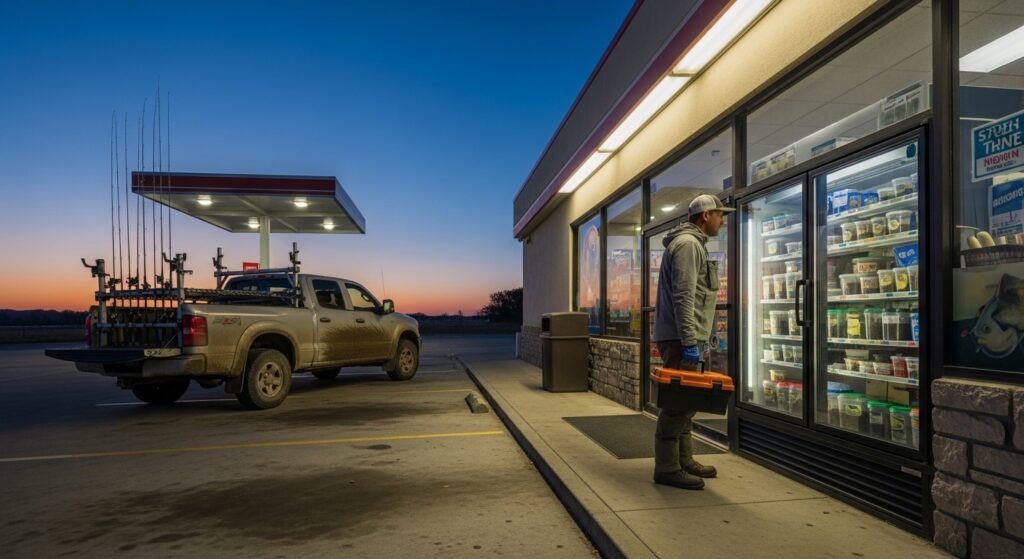
It’s 5 AM. Dawn’s just brushing the horizon, your gear’s packed, coffee’s hot, and the lake is calling. You swing into a gas station to top off the tank—and then it hits you: you forgot the bait. We’ve all been there. The good news? More and more gas stations quietly stock live worms, saving early birds and night anglers when bait shops are still shuttered.
This guide is your easy, no-stress roadmap to finding gas stations that sell fishing worms—so you’re never stuck without bait again. You’ll learn which chains are most likely to carry them, what types you’ll find, and how to check they’re lively enough to help you hook the big one.
Gas Stations With Worms Near Me: Quick Answer
Your phone is the fastest tool. Open your maps app (Google Maps, Apple Maps, or Waze) and search for “live bait near me,” “fishing worms near me,” or “gas stations that sell worms.” Scan listings and reviews for mentions of bait. For best results, call the station to confirm they’ve got worms in stock before you drive.
Why Gas Stations Are a Smart Place to Buy Live Bait
Dedicated bait shops are great, but gas stations solve two big pain points: time and access.
- Unbeatable convenience: You’re already stopping for gas, coffee, or snacks—grabbing bait at the same time saves a trip.
- 24/7 availability: Many stations never close, which is clutch for pre-sunrise launches and late-night catfishing runs.
- Strategic locations: From city corners to highway stops near lakes and rivers, stations are everywhere—so bait often is, too.
How to Find Gas Stations That Sell Worms (Step-by-Step)
Finding reliable “gas-station worms” is simple when you know what to look for:
- Use your maps app: Try variations like “what gas stations have worms” and “bait near me” to surface more results.
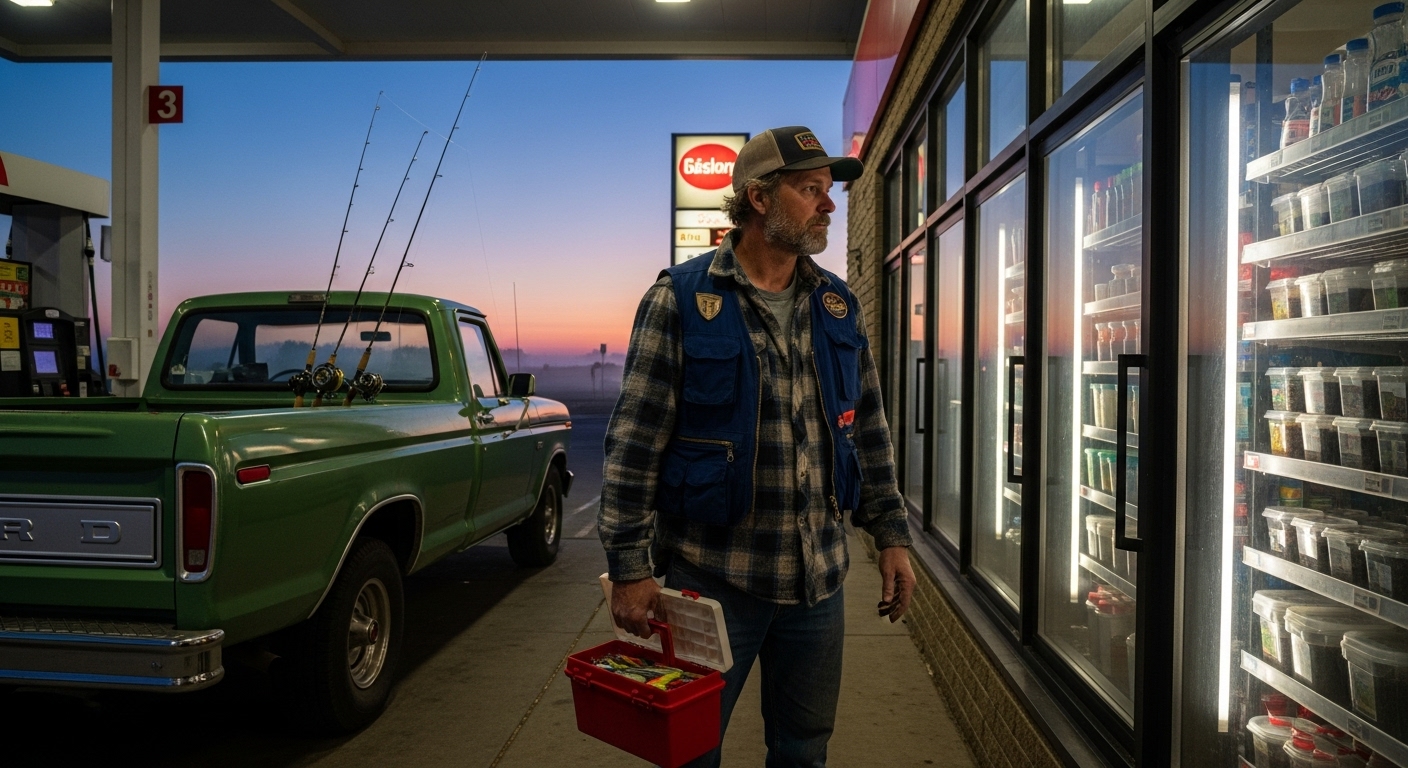
- Spot location clues: Stations near lakes, rivers, reservoirs, or coastal areas are much more likely to carry bait.
- Read reviews: Check for keywords like “worms,” “bait,” or “fishing.” Anglers often share stock and quality details.
- Call ahead: The time saver. Ask, “Do you sell live fishing worms?” and “Which types are in stock today?”
Major Gas Station Chains That Often Carry Live Bait
Not all chains stock bait, but some do—especially in fishing-heavy regions. For a deeper look, see our guide Bait On The Go: Which Gas Station Chains Consistently Sell Live Worms & 24-Hour Availability.
Common places to check:
- 7-Eleven: Locations near fishing hotspots often keep nightcrawlers in a small cooler. Try searching “7 eleven fishing bait.”
- Speedway: Many stores have a dedicated bait fridge with nightcrawlers and basic tackle.
- QuikTrip (QT): Not universal, but some Midwest and Southern stores carry worms—call first.
- Casey’s General Store: A rural staple; frequently stocks live bait for local anglers.
- Independent & rural stations: Don’t skip local, non-chain stops—many proudly serve the fishing community with fresh bait.
Does QuikTrip Sell Worms?
Often—though it varies by store. You’ll have the best luck at locations near popular fishing spots. Always call your local QT to confirm before making a special trip.
What Types of Fishing Worms Do Gas Stations Typically Sell?
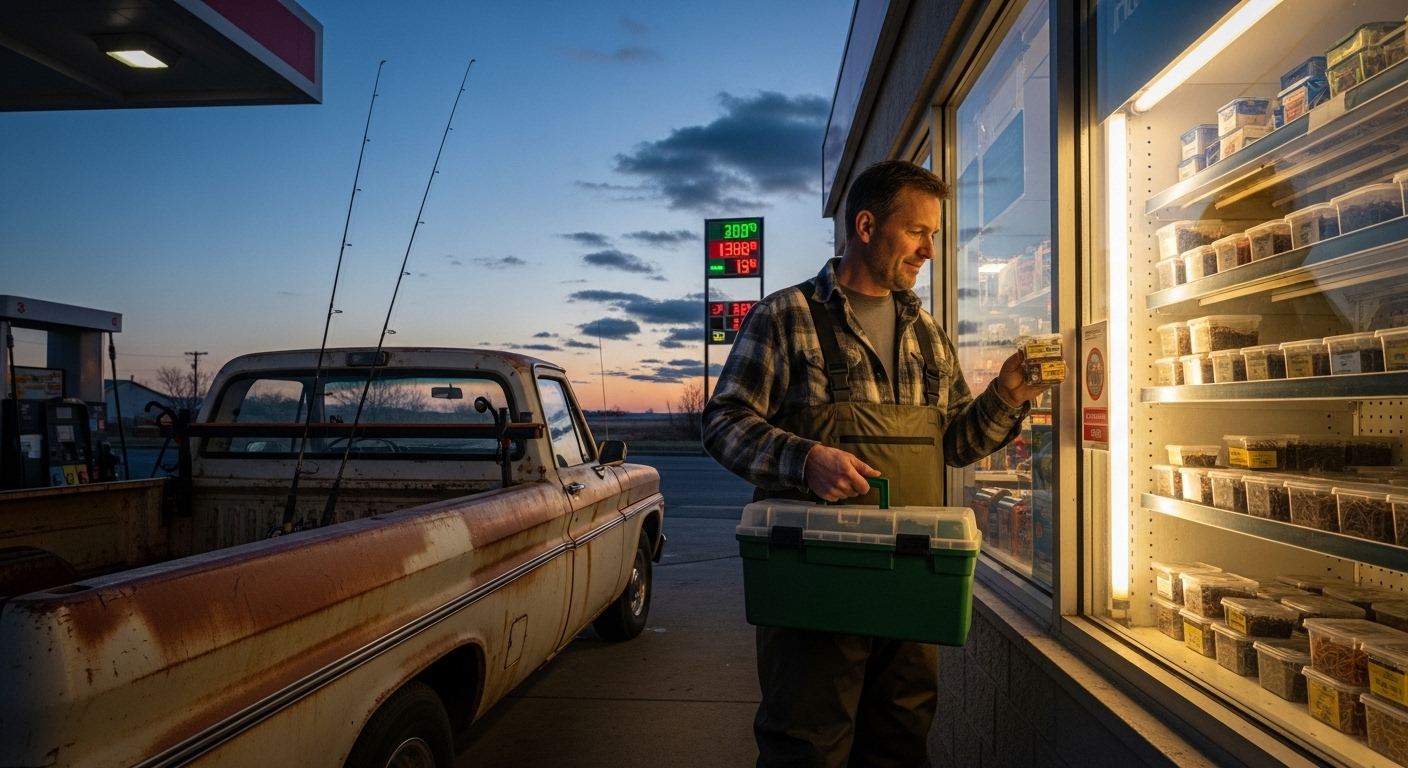
Most stations keep the versatile, high-demand staples in a small, refrigerated case:
- Nightcrawlers (Lumbricus terrestris): Big, sturdy, and effective for bass, walleye, and catfish—often the default option.
- Red worms / red wigglers (Eisenia fetida): Smaller, lively, and great for panfish (bluegill, crappie, perch) and trout.
Want to match the worm to your target species? Explore Worm Wisdom: A Comprehensive Guide to Different Fishing Worms and Their Best Uses.
Beyond Worms: Other Live Bait & Essentials You Might Find
Some larger or well-stocked stations also carry:
- Basic hooks, sinkers, and bobbers
- Fishing line
- Preserved bait (e.g., salmon eggs, corn)
- Ice for your cooler
- Bug spray and sunscreen
How to Confirm Availability & Quality Before You Drive
A 30-second call and a quick in-store check can save a trip and a skunked session:
- Check the container: Look for a packed-on date; bedding should be moist, not soupy.
- Look for activity: Gently shake—healthy worms wiggle. If they’re sluggish or dried out, skip it.
- Cooler temperature: Worms should be refrigerated. Warm worms = dying worms.
Quick Care Guide: Keep Your Gas-Station Worms Alive
Got your bait? Keep it lively for more bites. For long-term care tips, see Fresh Bait, Better Catch: How to Keep Fishing Worms Alive After Purchase.
Fast rules of thumb:
- Keep them cool: Store in a cooler with an ice pack; don’t set the cup directly on ice, and avoid direct sun.
- Maintain moisture: Bedding should stay damp. If dry, add a few drops of non-chlorinated water.
- Let them breathe: Ensure air holes. If keeping more than a day, move to a larger container with fresh bedding.
When to Skip Gas Stations & Choose Alternatives
Gas stations shine for convenience, but a bait & tackle shop is better when:
- You need specialty bait (leeches, particular minnows).
- You want a wider gear selection.
- You’re after expert local advice on what’s biting and where.
Beginner Fishing Tips: Worms That Get Bites
Worms are a can’t-miss starting point. For panfish, try a small piece of red worm on a simple hook-and-bobber rig. Chasing bass? Thread a full nightcrawler Texas-style or on a jig head and work it slowly along the bottom.
Conclusion: Never Be Without Bait Again
Knowing what gas stations sell worms turns a mini crisis into a quick pit stop. Use your phone, call ahead, and focus on chains and areas that cater to anglers. Picking up nightcrawlers with your coffee and fuel means less scrambling—and more time with a line in the water.
Frequently Asked Questions
How much do worms cost at a gas station?
Usually $4–$8 for a cup of 12–24 nightcrawlers (or more red worms), depending on region and season.
Are gas station worms good quality?
It varies. The best stores turn over stock quickly and keep coolers maintained. Always inspect for freshness and activity.
Do all 7-Eleven or Speedway locations sell worms?
No. Availability depends on proximity to fishing areas and demand. A quick phone call is always the safest bet.