
Top Driving Schools and Instructors in Birmingham, AL
Explore our curated list of the best driving schools in Birmingham, based on student reviews, DMV-alignment, and our expert criteria, to find the perfect driving instructor for your needs.
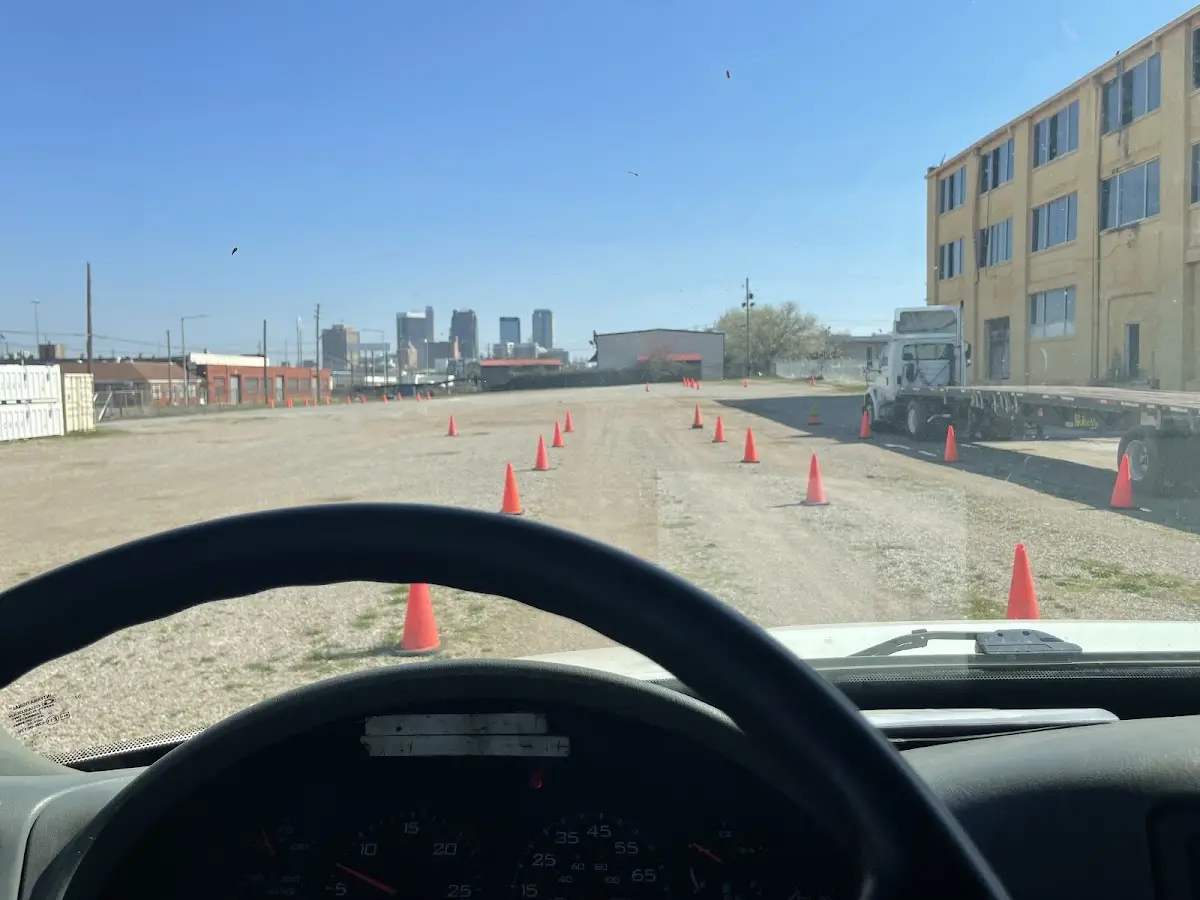
KLA CDL Training
702 3rd Ave N, Birmingham, AL 35203, USA

Centerline Drivers
2501 3rd Ave S, Birmingham, AL 35233, USA

ALL N 1 DRIVING SCHOOL (19th St N)
120 19th St N, Birmingham, AL 35203, USA
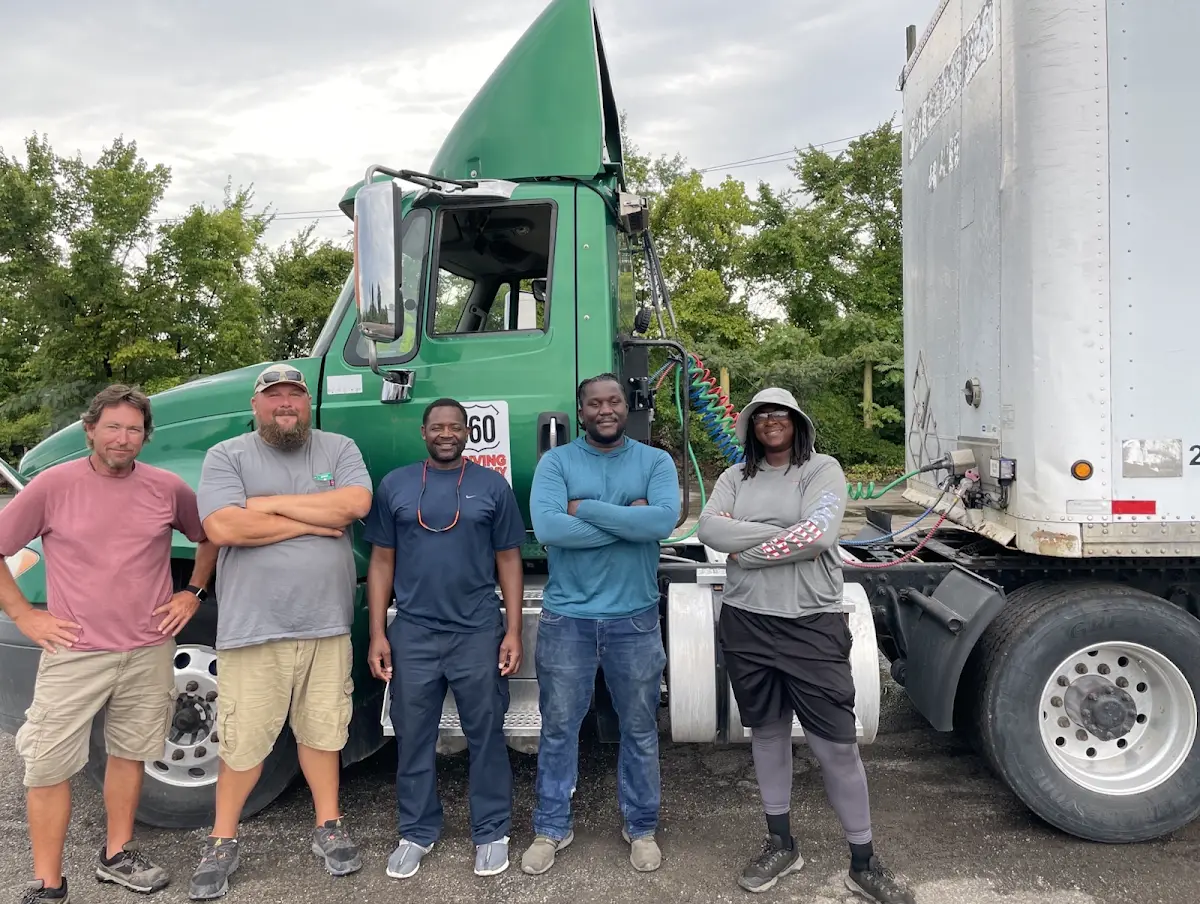
160 Driving Academy of Birmingham
2503 5th Ave S, Birmingham, AL 35233, USA

ALL N 1 DRIVING SCHOOL (Beacon Pkwy W)
200 Beacon Pkwy W, Birmingham, AL 35209, USA

ALL N 1 DRIVING SCHOOL (Riverchase Dr)
1809 Riverchase Dr, Birmingham, AL 35244, USA

Express CDL Practice Test
1520 7th Ave N, Birmingham, AL 35203, USA
Your Complete Guide to Finding the Best Driving Lessons and Driving Schools in Birmingham
Author: Vladimir Rodriguez
Welcome — whether you’re a teen in Hoover, a parent in Homewood, or an adult starting fresh in downtown Birmingham, getting a driver’s license is a major milestone. Birmingham families and new drivers deserve straightforward, accurate guidance that removes confusion and builds confidence. This guide walks you through each step of the Alabama licensing process, how to choose a quality driving school in Birmingham, and what to expect for commercial licensing like CDL training.
Throughout this article, we'll provide the best information for anyone searching for a "driving school near me" within the Birmingham area. Whether you're looking into CDL training in Birmingham, Alabama, comparing a truck driving school Birmingham, or trying to find a DMV approved driving school Birmingham for car driving lessons, you’ll find the focused, actionable information you need. If you’re searching for drivers ed classes Birmingham AL, this article includes what to look for and how to get the most from them, ensuring you find the right driving instructor to guide you.
Why a structured learning path matters for safety
- Driving is a complex skill combining vehicle control, hazard perception, and decision-making under pressure. A structured path — classroom knowledge, supervised practice, professional driving lessons, then testing — builds competence and lowers crash risk.
- Teen drivers who complete formal drivers ed and meet supervised behind-the-wheel requirements have better reaction skills and safer attitudes.
- For adults and CDL candidates, structured training teaches legal compliance, industry best practices, and the technical skills required for safe, confident driving in Alabama’s varied driving environments (downtown traffic, I-20/59 interchanges, country roads, and industrial corridors).
This guide is meant to reassure and prepare you — detailed checklists, comparison advice, and a practical FAQ follow. Let’s get started.
The Alabama Licensing Process: A Detailed Step-by-Step Journey with Your Driving Instructor
Note: State rules and forms can change. Always verify current requirements with the Alabama Law Enforcement Agency (ALEA) driver license division or your local ALEA office before you go.
The broad path for new drivers in Alabama typically follows this order:
1. Obtain a Learner’s Permit (sometimes called a learner’s license).
2. Complete state-mandated supervised behind-the-wheel practice.
3. Schedule and pass the road (driving) test.
4. Move through the Graduated Driver License (GDL) system to full driving privileges.
Step 1: The Learner's Permit
Who can get a permit?
- Alabama allows teens to begin the licensing process, and adults can also apply for a learner’s permit as needed. If you’re 15 or older, you can typically start the process. The specifics (exact minimums, limited permits) can vary with state rules, so check ALEA for any recent changes.
Requirements and documents you must bring (prepare these before you go)
- Proof of identity: an original birth certificate or valid U.S. passport.
- Proof of Social Security Number: Social Security card or other proof of SSN as accepted by ALEA.
- Two proofs of Alabama residency: examples include utility bills, a parent/guardian’s mortgage or lease showing your name and address, school enrollment records, or bank statements.
- For applicants under 19: parent or legal guardian must provide consent (often via signature) and may need to present their own identification.
- Proof of school enrollment or completion: many teens must provide a certificate of school attendance or proof of GED/high school equivalency if applicable.
- Certificate of completion for any required drivers ed classes (if you completed a state-approved course prior to the permit).
- Payment for applicable fees (varies; check ALEA for current fees).
Written knowledge test details (what to expect and how to pass)
- The learner’s permit requires a written knowledge test covering Alabama traffic laws, road signs, and safe driving practices. The test format is multiple-choice.
- Typical test structure in many states: 25–40 questions with a required passing score around 80%. In practice many Alabama applicants prepare for a test of roughly 30 questions; aim to get at least 80–90% on practice tests before going.
- Study tips using the official manual:
- Download and read the official Alabama Driver Manual from ALEA — it’s the primary source for test material.
- Take official practice tests (available on ALEA or accredited driver education sites).
- Break chapters into small study sessions: road signs, rules of the road, safety (seatbelts, DUI), and special situations (sharing the road with bikes and large trucks).
- Use flashcards for signs and for numeric facts (speed limits, safe following distances).
- Practice reading comprehension: many test questions include short scenarios — practice by explaining answers aloud to a parent or friend.
- Tip: bring glasses or contacts if you need them — vision screening will be part of the visit.
Step 2: Behind-the-Wheel Practice and Driving Lessons in Birmingham, AL
The state-mandated practice requirement
- Alabama requires supervised behind-the-wheel practice for teen applicants before they can move to an intermediate license. A commonly enforced requirement is a total of 30 hours of supervised driving practice, with a portion at night (often 10 hours). The goal: expose learners to a wide variety of conditions (day/night, rain, highways, congested city streets).
- Keep a practice log: many parents and schools use a written log where the supervising driver initials each session and records conditions and miles/hours. This documentation can be required when applying for subsequent licensing steps.
Checklist of skills to develop during practice
- Basic vehicle control: smooth steering, accelerating, braking, and reversing.
- Parking: angle parking, parallel parking, perpendicular parking in lots and on streets.
- Three-point turns and U-turns where legal and safe.
- Lane discipline: lane changes, merging, and properly using mirrors and signals.
- Intersection behavior: scanning, judging gaps, and right-of-way rules.
- Highway driving: merging onto and off ramps, lane selection, maintaining speed, safe following distances, and handling higher-speed lane changes.
- City driving in Birmingham: navigating four-lane roads, handling traffic lights and complex intersections (e.g., University Boulevard, Lakeshore Parkway areas), dealing with heavy commuter traffic and short trip distances.
- Night driving: adjusting speed and following distances, using headlights properly, dealing with glare and reduced visibility.
- Adverse-weather driving: handling wet roads, reduced traction, and safe braking in rain.
Value of professional instruction vs parent-only practice
- Parent-supervised practice is essential — parents know their teen and provide lots of varied hours.
- Professional behind-the-wheel instruction from a DMV approved driving school Birmingham or accredited local drivers ed program offers:
- Structured driving lessons focusing on examiner-evaluated skills.
- An experienced driving instructor Birmingham who can correct bad habits quickly.
- A calmer environment for the student (some teens respond better to instructors than parents).
- If the driving school offers a vehicle for the road test, that can reduce stress and logistics.
- Best approach: combine both. Use a driving school for targeted sessions (early stage, pre-test polishing), and log many hours with a parent or guardian for daily exposure.
Step 3: The Road Test
How to schedule testing in/near Birmingham
- Road tests are usually scheduled through your local ALEA driver license office or a contracted testing location. In Birmingham, several driver license offices and testing centers serve the metro area.
- Call the local ALEA office or use the online appointment system, if available, to schedule your driving test. Appointments are advised — many offices have limited walk-in capacity and long waits.
- Track required wait periods: for teen applicants, you generally must hold the learner’s permit for a specified period (commonly about six months) and meet the behind-the-wheel hour requirement before scheduling the road test.
Vehicle requirements for the road test
- The vehicle you bring must be:
- Properly registered and currently insured.
- Roadworthy: working lights, signals, horn, windshield wipers, mirrors, seatbelts, and tires in good condition (no bald tires).
- Free of significant safety issues or visible defects.
- Equipped with the examiner’s access (usually a foot brake or dual controls are not required unless the examiner requests).
- If you plan to use a driving school vehicle, confirm in advance that the school allows its vehicles for testing and that the vehicle will be available at your scheduled time.
What examiners evaluate
- Examiners score a practical test by observing real-world driving tasks. Typical evaluation areas include:
- Vehicle control (starting, stopping, steering).
- Smoothness of driving and control during turns.
- Proper signaling and lane changes.
- Speed management: obeying speed limits and adjusting speed for conditions.
- Observation skills: scanning intersections, mirrors, and blind spots.
- Following distance and reaction to slow or stopped traffic.
- Parking and turning maneuvers, including three-point turns where required.
- Compliance with road signs, traffic lights, and right-of-way rules.
- Safety-first approach: prioritizing safe decisions over perfect technique if candidates must choose.
If you fail the test
- Don’t be discouraged — most drivers don’t pass on their first attempt. Ask the examiner for specific feedback, schedule practice sessions targeting weak areas, and rebook the test when ready.
Step 4: Alabama's Graduated Driver License (GDL) Program
The GDL program eases teens into full driving privileges while limiting high-risk exposures. Key components include:
- Learner’s stage (permit): supervised driving while building hours and skills.
- Intermediate stage: after meeting permit-holding time and practice requirements, teens can obtain an intermediate license with restrictions.
- Full license: typically granted at age 18 if all conditions are met.
Common GDL restrictions for teen drivers
- Passenger limits: newly licensed teens generally face passenger restrictions for an initial period — for example, limits on non-family passengers under a certain age (often no passengers under 21 except immediate family for the first months). These rules reduce distraction risk.
- Curfew: restricted late-night driving hours (often a nighttime curfew between around midnight and early morning, e.g., midnight–4 or 5 a.m., unless supervised by a licensed adult or for work/school). Check ALEA for the precise curfew windows that apply.
- Cellphone and device restrictions: many states ban hand-held phone use and text messaging for drivers under 18.
- Seat belt requirements: mandatory for all occupants and strictly enforced for teens.
Remember: the exact restrictions and timelines can be updated by the state. Confirm current GDL rules with ALEA.
How to Choose the Perfect Driving School in Birmingham for Your Driving Lessons
Selecting the right driving school makes a measurable difference in safety and success. Driving schools in Birmingham, Alabama vary widely in quality, driving instructor experience, vehicle quality, and price. Use this section to find the best match for your teen or yourself.
Key considerations
- ALEA certification: make sure the school is an ALEA-approved or DMV approved driving school Birmingham. This confirms adherence to state standards and that driving lessons will be accepted for licensing requirements.
- Instructor qualifications: ask about driving instructor licensing, years of experience, and training methods.
- Curriculum: look for structured driving lessons that combine classroom knowledge (rules, signs, defensive driving) with hands-on sessions targeted to the road test and to practical driving conditions.
- Vehicle fleet: modern, well-maintained training vehicles with dual controls are best.
- Flexibility and scheduling: evening and weekend options matter for busy families.
- Test-day support: some driving schools provide vehicles and accompaniment to the road test (valuable for nervous students).
Comparing Costs & Value of Driving Lessons in Birmingham
Typical price ranges and what’s included
- Teen drivers ed packages in Birmingham often range from about $200–$700 depending on what's included:
- Basic classroom-only courses (self-paced or in-person) tend to be on the lower end.
- Packages that include classroom instruction, 6–10 hours of behind-the-wheel training, and practice materials are mid-range.
- Premium packages with extra one-on-one instruction, exam day car use, and guaranteed lesson hours run higher.
- Adult driver instruction: single sessions for adult drivers typically cost $50–$100 per hour, depending on driving instructor experience and location.
- CDL training in Birmingham, Alabama / truck driving school Birmingham:
- CDL training is a specialized program with higher costs: typical ranges are $3,000–$8,000 for comprehensive courses that include classroom instruction and behind-the-wheel range and road training.
- Some truck driving schools offer job placement assistance; some employers reimburse part of the training cost.
- Extras to watch for:
- Road test fees (ALEA fees may be separate).
- Materials (manuals and practice tests).
- Extra behind-the-wheel hours beyond packages.
- Cancellation or rescheduling fees.
Look for value, not just the cheapest option
- The lowest price may cut corners on driving instructor quality, vehicle condition, or lesson hours. Consider the overall package: experienced driving instructors, documented practice hours, test-day vehicle availability, and positive student outcomes are worth paying for.
- If comparing CDL schools, prioritize high-quality range time, up-to-date curriculum for the FMCSA rules, and job-placement track record.
CDL Training vs. Regular Driver's Ed in Birmingham
Clear differences and general advice
- Purpose:
- Driver’s ed (class D): prepares a new personal vehicle driver for state licensing — focuses on roadway laws, defensive driving, and basic vehicle maneuvers. It includes essential driving lessons.
- CDL training: prepares students for commercial vehicle operation with attention to pre-trip inspections, air brakes, shifting, cargo safety, hours-of-service rules, logbooks, and large-vehicle maneuvers.
- Curriculum intensity:
- CDL courses are longer, with both classroom and extensive hands-on range and on-road training, and include federal regulations (FMCSA).
- Certification and testing:
- CDL candidates take a specialized knowledge test and a skills test (pre-trip, basic controls, road test) and must meet medical and sometimes background requirements. Age restrictions: 18 for intrastate (within Alabama) CDL, 21 for interstate commerce.
- Selecting a CDL school:
- Look for accreditation, up-to-date training on ELDs and FMCSA rules, job placement statistics, and effectively maintained tractors/trailers for training.
- Training that explicitly prepares you for the state commercial testing procedures and offers real-world driving time in local traffic is most valuable, often delivered by expert driving instructors.
The Checklist: 10 Questions to Ask Before Enrolling in a Driving School in Birmingham
Before you sign up with any driving school, ask these exact questions:
1. Is your school ALEA-certified or listed as a DMV approved driving school Birmingham? Can I see proof?
2. What are the qualifications and background checks for your driving instructors?
3. How many hours of behind-the-wheel instruction are included in your driving lessons, and what’s the instructor-to-student ratio?
4. Do you provide vehicles for the official road test? If so, is there an extra fee?
5. What is your pass rate for first-time road test takers (local statistic)?
6. Are your drivers ed classes Birmingham AL taught in-person, online, or hybrid? Are they state-approved?
7. For teens, do you provide a written log or certificate confirming supervised hours that ALEA will accept?
8. For CDL training in Birmingham, Alabama: what trucks do you use for training, and how much range vs. road time is provided?
9. Do you offer flexible scheduling (evenings/weekends) and make-up lessons for inclement weather?
10. What exactly is included in your price (driving lessons, materials, tests, extra practice, insurance, exam vehicle)?
Why Accreditation Matters for Driving Schools in Birmingham
- ALEA certification ensures the driving school follows state-approved curriculum, keeps accurate records, and adheres to safety standards.
- Accredited driving schools are more likely to be accepted by ALEA when you present driver education completion for permit/license eligibility.
- For CDL, accreditation and alignment with FMCSA and ALEA standards help ensure your training will directly prepare you for the state’s commercial testing and for employer expectations, thanks to qualified driving instructors.
Frequently Asked Questions (FAQ) for Birmingham Drivers Looking for Driving Lessons
1. How much does driving school cost in Birmingham?
- Teen driver’s ed (classroom + behind-the-wheel package): typically $200–$700. The range depends on the number of on-road hours and whether the driving school provides the vehicle for the road test.
- Individual behind-the-wheel driving lessons: about $50–$100 per hour with a professional driving instructor.
- CDL training in Birmingham, Alabama / truck driving school Birmingham: common full-course costs are $3,000–$8,000, depending on course length, truck type, and whether job placement assistance is included.
- Always ask for an itemized fee sheet so you can compare real value: included hours, exam vehicle availability, and any additional fees for driving lessons.
2. How many behind-the-wheel hours are required in Alabama?
- Alabama typically requires supervised behind-the-wheel practice for teen drivers. A common minimum is 30 hours total with a portion at night (often 10 hours). Additionally, many states require a minimum holding period for the learner’s permit (commonly six months) before taking the road test. Keep a written log of practice hours signed by the supervising driver or your driving instructor.
3. Can I use a driving school's car for my road test?
- Yes — many ALEA-approved driving schools allow their vehicles to be used for the road test. This is helpful because the vehicle will be familiar to the student and properly insured and equipped. Confirm with the school if there is an extra fee and ensure the vehicle meets ALEA’s road test vehicle requirements (valid registration, insurance, and safe condition).
4. What's the difference between driver's ed and defensive driving?
- Driver’s ed (drivers ed classes Birmingham AL): a structured program for new drivers covering traffic laws, sign recognition, mechanics of driving, and basic safety skills. It prepares students for the written and road tests and satisfies state education requirements. These are fundamental driving lessons.
- Defensive driving: a course (often shorter) that teaches advanced hazard recognition, collision avoidance techniques, and strategies to reduce risk. Defensive driving is often aimed at licensed drivers wishing to improve safety, lower insurance premiums, or refresh skills after violations.
- Driving schools often offer both; choose driver’s ed for licensing pathways and defensive driving for skill-building after licensure.
5. Are there special requirements for adult drivers over 18 in Alabama?
- Adults (18 and older) generally are not subject to the teen-specific GDL restrictions, but they still must present required documents, pass the knowledge and vision tests, and pass a road test if required. Adults may be exempt from formal driver’s education requirements but can still benefit from professional driving lessons, especially if they’ve never held a license or have limited driving experience. Finding a good driving instructor Birmingham is key.
- For adults transferring an out-of-state license or seeking licensure after a long lapse, check ALEA for specific documentation and testing requirements.
6. How can I verify a driving school is state-certified by ALEA?
- Ask the school for their ALEA certification or letter of approval and verify the licensing information directly with ALEA:
- Visit the ALEA driver license website and look for lists of approved schools or contact the ALEA driver license division by phone.
- Request the school’s certification number or documentation and cross-check with ALEA.
- An approved driving school will commonly display proof and include it on promotional materials; if uncertain, confirm independently.
7. What are the GDL passenger and curfew restrictions for teen drivers?
- Under Alabama’s Graduated Driver License system, teen drivers are generally subject to passenger and curfew limits to reduce high-risk exposures. Typical restrictions include:
- Passenger limits during the initial months of independent driving (e.g., no non-family passengers under a certain age).
- Nighttime driving curfew that restricts driving during late-night hours unless supervised, traveling to/from work, or for certain exemptions.
- Cell phone and texting bans for drivers under 18.
- The exact passenger numbers and curfew hours change by state policy; confirm with ALEA for precise, current restrictions.
8. Do I need an appointment for the learner's permit test at the Birmingham ALEA office?
- Many ALEA offices encourage or require appointments for the knowledge test, but some accept walk-ins depending on capacity and local rules. To avoid long waits and ensure testing availability, schedule an appointment online or by phone before you go. Also confirm required documents and testing hours to ensure you’re fully prepared.
---
If you’re ready to move forward: gather your documents, enroll in a quality drivers ed class or DMV approved driving school Birmingham, log your supervised hours, and practice intentionally. For teens, pair patient parental practice with a professional driving instructor for the best results. For adults and CDL candidates, select a driving school with a strong reputation, up-to-date curriculum, and clear career-placement support if needed.
If you want, I can:
- Provide a printable checklist of documents for your ALEA appointment.
- Suggest questions tailored to local Birmingham driving schools to help you compare quotes.
- Outline a week-by-week supervised practice plan for parents and teens.
You’re not alone in this — safe, confident driving is built step by step. — Vladimir Rodriguez
Explore Other City Guides for Driving Schools in Alabama
Discover the best driving schools and driving lessons in other popular locations near you: