
Top Driving Schools Near You in Huntsville
If you're searching for a 'driving school near me', explore our curated list of the best local schools, based on student reviews, DMV-alignment, and our expert criteria.
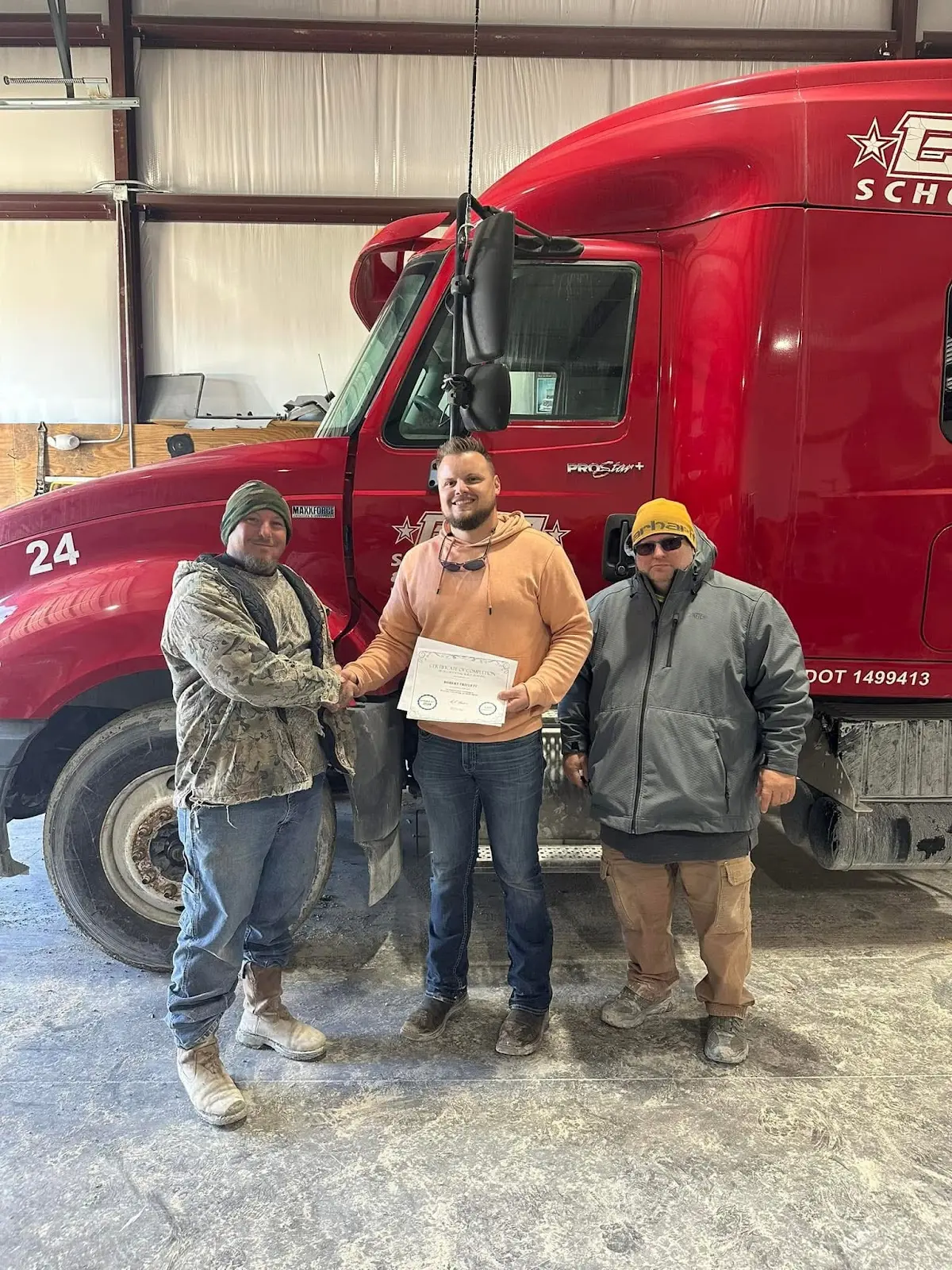
Scissum Driving Academy
6408 Eric St NW, Huntsville, AL 35810, USA
Driving Successful Lives Car Donation Huntsville
5 Tranquility Base, Huntsville, AL 35805, USA
Jomil Driving School
2317 Meridian St N, Huntsville, AL 35811, USA
Your Complete Guide to Getting a Driver's License in Huntsville
Author: Vladimir Rodriguez
Welcome to Huntsville — a city of neighborhoods, tech corridors, and some of the most driver-friendly roads in North Alabama. Whether you’re a teen excited for independence, a parent guiding a new driver, an adult restarting the licensing process, or someone training for a CDL, this guide helps you find the right driving school near you. We cover everything you need: from choosing a top-rated school to understanding the state licensing steps and passing your road test with confidence.
This guide naturally covers important local keywords and services you’ll search for:
- driving school
- defensive driving school in huntsville Alabama
- dmv approved driving school
- truck driving school
- cdl schools in huntsville al
- drivers ed classes in alabama
Why a structured learning path matters for safety
Learning to drive is not just a rite of passage — it’s a public-safety skill. A structured path (classroom knowledge, supervised practice, professional instruction, and a formal skills test) reduces crashes, builds confidence, and establishes good habits that last a lifetime. A certified driving school or defensive driving school in Huntsville, Alabama, will give you a curriculum backed by state standards, trained instructors, and an efficient way to meet Alabama’s licensing requirements.
---
The Alabama Licensing Process: A Detailed Step-by-Step Journey
The Alabama Law Enforcement Agency (ALEA) oversees driver licensing in our state. Below is a clear, step-by-step guide to getting a license in Alabama, with practical local advice for Huntsville residents.
Step 1: The Learner's Permit
What a learner's permit is for
The learner’s permit allows new drivers to learn the rules of the road and practice driving under supervision before getting a full license. It’s the first formal step for teens and a required step for anyone under the state’s graduated driver licensing rules.
Requirements for 15 vs 16-year-olds
- 15-year-olds: Eligible to apply for a learner’s permit (often called an instruction permit). Parental or guardian consent is required. This permit permits supervised practice but often comes with stricter conditions.
- 16-year-olds: Can apply for a learner’s permit as well; if they later meet practice and education requirements, they can progress to the next level in the GDL program.
ALL required documents (standard, bring originals)
When you go to the ALEA driver license office (or the DMV office serving Huntsville), bring originals or certified copies of the following documents. Schools and offices will reject photocopies or scans in many cases:
- Proof of identity and lawful presence: Birth certificate (certified) or U.S. passport.
- Social Security Number: Social Security card or official document showing full SSN.
- Proof of Alabama residency: Two documents such as utility bill, bank statement, or parent’s driver’s license showing Huntsville address.
- Proof of school enrollment or completion (for teens): Current school enrollment verification or diploma/GED.
- Parental/guardian consent: Parent or legal guardian must be present to sign for minors; bring parent’s ID.
- Certificate of completion for drivers ed (if applicable): If you completed drivers ed classes in Alabama, bring the school-issued certificate.
- Vehicle documentation (if you will use the school’s or family vehicle for the driving skills test later): Registration and proof of insurance (not always required at the permit stage, but expect to present them before any on-road test).
Written knowledge test details
- Typical structure: a multiple-choice knowledge test based on Alabama’s Driver Manual. Many candidates will take a 30-question test; a common passing threshold in many states is 80% (for example, 24 correct answers). (Check your local ALEA office for the exact test length and passing score on the day you go.)
- Study tips using the official manual:
- Read the official Alabama Driver Manual cover-to-cover — it’s the source of nearly every test question.
- Use the manual’s index and focus on traffic signs, right-of-way rules, speed limits, and DUI rules.
- Take practice quizzes online from ALEA-approved sources and local driving schools in Huntsville.
- Study in small chunks over several days; do a full practice test three times before the real exam.
Practical tips for the permit visit
- Schedule an appointment if your local ALEA/DMV office offers it (reduces wait time).
- Bring the originals — you’ll likely be required to sign forms in person.
- Younger teens should have a parent present — it speeds up paperwork and consent forms.
Step 2: Behind-the-Wheel Practice
State-mandated practice requirement
Alabama requires supervised behind-the-wheel practice before moving to a higher license level. The state (and safe driving programs) typically mandates a minimum number of supervised practice hours — a mix of daytime and nighttime driving — to ensure well-rounded experience. Many programs and schools in Alabama emphasize a 30-hour logged requirement as a practical benchmark for teens, often including several hours at night. (Check ALEA or your driving school for the exact minimum required for your age and permit type.)
Why logging hours matters
- Practice builds real-world judgment: lane changes, following distance, merging, and highway behavior.
- Night driving is a different skill set: reduced visibility, glare management, and speed perception.
- Variety of environments: suburban Huntsville streets, downtown intersections, I-565/US-72 for limited-access highway practice.
Checklist of skills to practice (use this as a logged practice syllabus)
- Basic vehicle control: smooth acceleration and braking, clutch control (if manual), steering technique.
- Starting and stopping on hills: uphill/downhill safety and handbrake use (if needed).
- Parking: parallel parking, angle parking, perpendicular parking, parking on a slope.
- Three-point turns: safe procedures, checking traffic both directions.
- Lane changes and merging: shoulder checks, signaling, scanning mirrors, timing merges onto highways (e.g., I-565).
- Roundabouts and multi-lane intersections: proper lane choice and signaling.
- Highway driving: merging, maintaining appropriate speed, safe following distance, lane discipline.
- City driving in Huntsville: navigating grid streets, railroad crossings, school zones, and traffic lights in the downtown and Research Park areas.
- Night driving: practicing in low-light suburban streets and highways.
- Adverse conditions: rain, fog, and wet pavement techniques (start conservatively; many instructors avoid teaching in heavy snow unless necessary).
Value of professional instruction vs parent-only practice
- Professional instructors (in a DMV approved driving school or defensive driving school in Huntsville, Alabama) use a structured curriculum, have dual-control vehicles for safety, and can objectively evaluate and correct bad habits.
- Parents are essential for volume: they provide regular, frequent practice and can reinforce rules.
- Best approach: combination of both. Many parents arrange a block of professional behind-the-wheel lessons (3–6+ hours total) to complement parent-supervised practice. Professional instruction can also fulfill state-required professional training hours if Alabama requires those for teens.
Step 3: The Road Test
Scheduling your road test in/near Huntsville
- Use ALEA’s official website or call your local Huntsville driver license office to schedule the on-road (skills) test. Appointments are typically required or highly recommended.
- Many driving schools in Huntsville can schedule or advise on availability, and some offer a vehicle and instructor for the test.
Vehicle requirements for the road test
Before arriving for your road test, ensure the vehicle meets these common requirements:
- Valid registration: Vehicle must be registered.
- Proof of insurance: Up-to-date coverage with the vehicle’s VIN or plate listed.
- Safe, roadworthy condition: Working lights (brake, turn signals, headlights), horn, windshield wipers, no major body damage that affects safety.
- Inspection items: Examiner will check tires, seatbelts, mirrors, and dashboard warning lights.
- If you use a driving school car, the school often ensures the vehicle meets all requirements.
What examiners evaluate
Examiners focus on safe, legal driving skills. Typical evaluation areas include:
- Pre-drive checks: adjusting mirrors/seat, demonstrating seatbelt use, identifying vehicle controls as requested.
- Signaling/communication: timely and correct use of turn signals and lane changes.
- Speed control: obeying posted limits, adjusting speed to conditions.
- Observation and scanning: shoulder checks, mirror checks, scanning intersections, checking blind spots.
- Following distance: maintaining a safe buffer behind other vehicles.
- Right-of-way: correct yielding at intersections and crosswalks.
- Turns and intersections: proper lane positioning and timing, turning into correct lane.
- Parking/manuevers: safe execution of parking, three-point turns, or backing as required.
- Overall attitude: patience, compliance with laws, and safe judgment in unexpected situations.
Practical test-taking tips
- Arrive 30 minutes early and bring all paperwork, proof of insurance, and your learner’s permit.
- Use the driving school car if available — schools with test-vehicle programs often reduce anxiety and increase pass rates.
- Stay calm, listen carefully to the examiner, and demonstrate safe, conservative driving if unsure.
Step 4: Alabama's Graduated Driver License (GDL) Program
What the GDL is for
Alabama’s GDL program phases driving privileges for young drivers to reduce risk during the learning period. It imposes restrictions on new teen drivers designed to limit the most dangerous exposures (late-night driving, multiple teen passengers, etc.).
All restrictions for teen drivers (summary)
- Passenger restrictions: Limits on the number and/or age of passengers for intermediate or provisional licenses. Often restrict carrying teen passengers under 19 unless supervised by a parent/guardian.
- Curfew restrictions: Nighttime driving curfews for intermediate drivers (e.g., prohibiting driving during late-night hours except for school or work with authorization).
- Cell phone and device restrictions: Zero-tolerance for texting while driving; restrictions on cell phone use.
- Seat belt requirements: Strict enforcement for all occupants.
- Time-in-permit requirements: Minimum supervised practice time and minimum holding period of learner’s permit before applying for intermediate license (commonly 6 months).
- License progression: After meeting age, practice, and education requirements, teens can graduate from learner’s permit to intermediate/provisional license, and eventually to full unrestricted license.
Note: GDL specifics (exact hours, exact curfew times, and passenger counts) can change. Always check ALEA’s official page or an ALEA-approved driving school in Huntsville for the latest, enforceable details.
---
How to Choose the Perfect Driving School in Huntsville
Choosing the right driving school is one of the most important choices a new driver or parent will make. A good school reduces risk, builds skill, and can save money by helping you pass the road test sooner.
Things to look for in Huntsville:
- ALEA certification (or state recognition) — ensures the school meets state-required curriculum standards.
- Experienced, patient instructors — ask about instructor background and turnover.
- Clear pricing and refund policy — no hidden fees for extra drive time.
- Flexible scheduling — evening and weekend lessons, especially for teens with school.
- Dual-control training vehicles — essential for safety during beginner lessons.
- Good pass rates — ask for first-time pass rates for road tests.
- Defensive driving options — look for “defensive driving school in huntsville Alabama” for additional advanced skills.
Comparing Costs & Value
Typical price ranges and what's included vs extras
- Drivers ed classroom + behind-the-wheel package: Expect to pay between $300–$700 depending on school reputation, included hours, and local demand.
- Behind-the-wheel only: Single lessons (60–90 minutes) usually range $40–$90 per hour.
- Defensive driving courses: Short courses (4–8 hours) often $50–$200. Extended defensive or advanced programs cost more.
- CDL truck driving school: Truck/tractor-trailer CDL training programs range from $3,000–$10,000 depending on program length, equipment, and job placement services.
- Extras: Road test vehicle rental, additional practice hours, pick-up/drop-off fees, and textbook costs can add on.
Look for value, not just the cheapest option
- The cheapest program may skimp on instructor qualifications, vehicle safety, or required practice hours.
- A slightly higher upfront cost for expert instruction, ALEA certification, and good safety records can save time and money (fewer behind-the-wheel lessons, higher pass rates).
CDL Training vs. Regular Driver's Ed in Huntsville
Clear differences and general advice
- Regular Driver’s Ed: Focuses on passenger vehicle operation, basic traffic law, defensive driving, and the GDL path for teens. Classroom time plus supervised behind-the-wheel practice. This is for private passenger vehicles (cars, SUVs).
- CDL (Commercial Driver’s License) Training: Specialized training for commercial vehicles (Class A, B, and endorsements). Includes DOT medical requirements, pre-trip inspections, air-brake systems, multiple written knowledge tests, backing/parking large vehicles, and long-range driving techniques. CDL schools also teach regulatory compliance, hours-of-service basics, and often include job-placement assistance.
- Advice: If you plan to drive a commercial vehicle for work, enroll in one of the reputable cdl schools in huntsville al or a truck driving school that provides hands-on training with Class A/B trucks and prepares you for state and federal testing.
The Checklist: 10 Questions to Ask Before Enrolling
Numbered list — ask every school these questions before you sign:
1. Are you ALEA-certified or recognized by ALEA for drivers ed in Alabama?
2. What is the total cost and exactly what’s included (classroom hours, behind-the-wheel hours, test vehicle, certificate)?
3. How many behind-the-wheel hours do you provide, and do you offer additional hours if needed?
4. What is the student-to-instructor ratio for classroom and behind-the-wheel lessons?
5. Do your instructors have background checks and state instructor certifications?
6. Can I use your school vehicle for my Alabama road test, and is there an extra fee?
7. What is your first-time road-test pass rate, and can you provide references from recent students?
8. Do you offer defensive driving school in Huntsville Alabama options or advanced driving modules?
9. How do you handle scheduling changes, cancellations, and weather-related make-ups?
10. Do you provide documentation required for ALEA (certificate of completion) and help with scheduling the road test?
Why Accreditation Matters
Importance of ALEA certification
- Accreditation means the school follows the state’s curriculum standards for classroom instruction and behind-the-wheel training.
- ALEA-certified (or DMV approved driving school) programs can provide certificates that the state accepts for license progression; some states require completion from a certified program for minors to get the intermediate license.
- Accreditation usually implies instructor vetting, safer vehicles, and record-keeping that protects both students and parents.
---
Frequently Asked Questions (FAQ) for Huntsville Drivers
Answering the most common questions clearly and in detail.
1) How much does driving school cost in Huntsville?
- Costs vary by program. For teen drivers, a full drivers ed package (classroom + behind-the-wheel blocks) typically ranges from about $300 to $700. Single behind-the-wheel sessions are often $40–$90 per hour. Defensive driving classes are usually $50–$200 depending on length and certification. CDL truck driving schools are more expensive, commonly $3,000–$10,000, depending on training hours, equipment, and job-placement services. Always ask what’s included (car for test, required hours, written materials) and watch for hidden fees.
2) How many behind-the-wheel hours are required in Alabama?
- Alabama requires supervised practice for new drivers as part of the GDL progression. Many local driving schools and parents follow a practical benchmark of 30 hours of supervised driving (including several at night) to ensure a well-rounded experience. Some counties, schools, or ALEA guidance may specify exact minimums or required professional instruction hours — verify with ALEA and your chosen driving school for the precise state mandate applicable to your situation.
3) Can I use a driving school's car for my road test?
- Yes, many driving schools offer their vehicles for the road test for an additional fee or as part of a package. Using a driving school car is often recommended: the instructor knows the vehicle, it’s pre-inspected, and it removes last-minute insurance/registration worries. Ask the school if the vehicle meets ALEA requirements and if the school can schedule the test or bring you to the testing site.
4) What's the difference between driver's ed and defensive driving?
- Driver's Ed: Typically focuses on basic vehicle control, traffic laws, rules of the road, and supervised practice required for licensing, often aimed at teen drivers.
- Defensive Driving: Focuses on advanced risk-reduction techniques: hazard recognition, situational awareness, collision avoidance strategies, and strategies for handling aggressive drivers and severe weather. Defensive driving courses can benefit new drivers, experienced drivers seeking refresher training, and drivers seeking insurance discounts or traffic ticket mitigation (depending on Alabama’s policies).
5) Are there special requirements for adult drivers over 18 in Alabama?
- Adults (18 and older) generally follow a streamlined process: pass the knowledge test (or provide recent documentation of out-of-state license), pass vision screening, and pass the road test. Some states exempt adults from some GDL requirements but may require proof of identity, residency, and social security. Adults who have never been licensed may be encouraged to take drivers ed or a few professional behind-the-wheel lessons for safety, but formal drivers ed may not be mandatory for adults. CDL aspirants aged 18+ have separate requirements (medical certificate, endorsements, etc.). Always verify current ALEA details for exact documentation and age-specific rules.
6) How can I verify a driving school is state-certified by ALEA?
- Ask the school for their ALEA certification number or proof of ALEA/DMV recognition. Check ALEA’s official website or contact the Huntsville driver license office for a list of approved schools. ALEA-certified schools will happily provide their certification paperwork and often list it on their websites.
7) What are the GDL passenger and curfew restrictions for teen drivers?
- Under Alabama’s GDL, teen drivers face restrictions designed to reduce high-risk conditions. Common restrictions include:
- Passenger limits: Restrictions on carrying peer passengers (for example, limiting drivers under a certain age from transporting multiple passengers under 19).
- Nighttime restrictions: Curfews that limit driving during late-night hours (exceptions for school or work with documentation).
- Cell phone bans: No texting and stricter rules on phone use.
- Seat belt adherence: Mandatory for driver and all passengers.
Because these restrictions can have specific passenger counts and time ranges that change over time, always confirm the exact limits with ALEA or your driving school before relying on them.
8) Do I need an appointment for the learner's permit test at the Huntsville ALEA office?
- Many ALEA/DMV offices now offer appointments, and scheduling one reduces wait time and ensures staff availability for knowledge testing. Walk-ins may still be accepted, but appointments are strongly recommended. Check the ALEA website or call the Huntsville licensing office to schedule a session and confirm which documents to bring.
---
Final practical checklist for Huntsville students and parents
- Read the Alabama Driver Manual and take multiple practice tests.
- Choose an ALEA-certified driving school or defensive driving school in Huntsville, Alabama.
- Gather original documents: birth certificate, SSN, two proofs of residency, and school enrollment or completion certificates.
- Schedule a permit appointment and bring a parent/guardian for minors.
- Log at least 30 hours of varied supervised driving (day, night, highway, city).
- Take a block of professional behind-the-wheel lessons to polish skills.
- Ensure the test vehicle is registered, insured, and safe for the road exam.
- Review GDL rules and restrictions before driving unsupervised.
- Consider advanced defensive driving or refresher courses for long-term safety.
- For CDL seekers, confirm medical certificate requirements, age restrictions (intrastate vs interstate), and endorsement testing.
Closing reassurance
Learning to drive in Huntsville is an exciting milestone. Following a structured path — classroom knowledge, supervised practice, professional instruction when possible, and a calm approach to the road test — will protect you and others on the road. If you’re looking for a dmv approved driving school or a defensive driving school in huntsville Alabama, prioritize ALEA-certified programs with experienced instructors, transparent pricing, and good pass rates. For CDL training, seek reputable truck driving school or cdl schools in huntsville al that offer hands-on trucks and job-placement support.
If you and your family use this guide as your roadmap, you’ll move through Alabama’s licensing steps with confidence, competence, and safety-first habits that last a lifetime.
Explore Other City Guides
Discover the best driving schools in other popular locations near you: