
Top Driving Schools Near You
Explore our curated list of the best schools, based on student reviews, DMV-alignment, and our expert criteria.
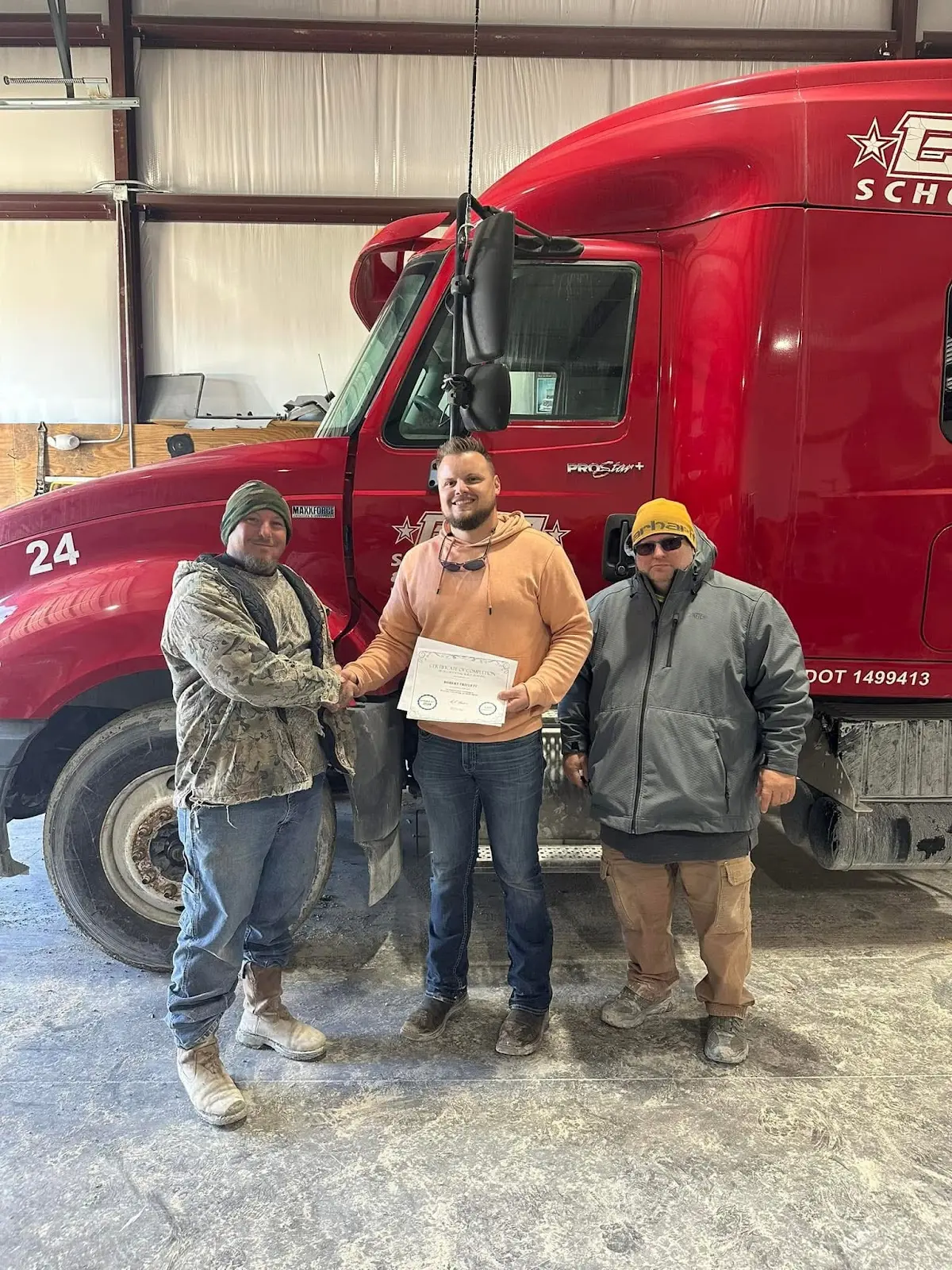
ESD SCHOOL LLC
67 Horse Center Rd, Decatur, AL 35603, USA
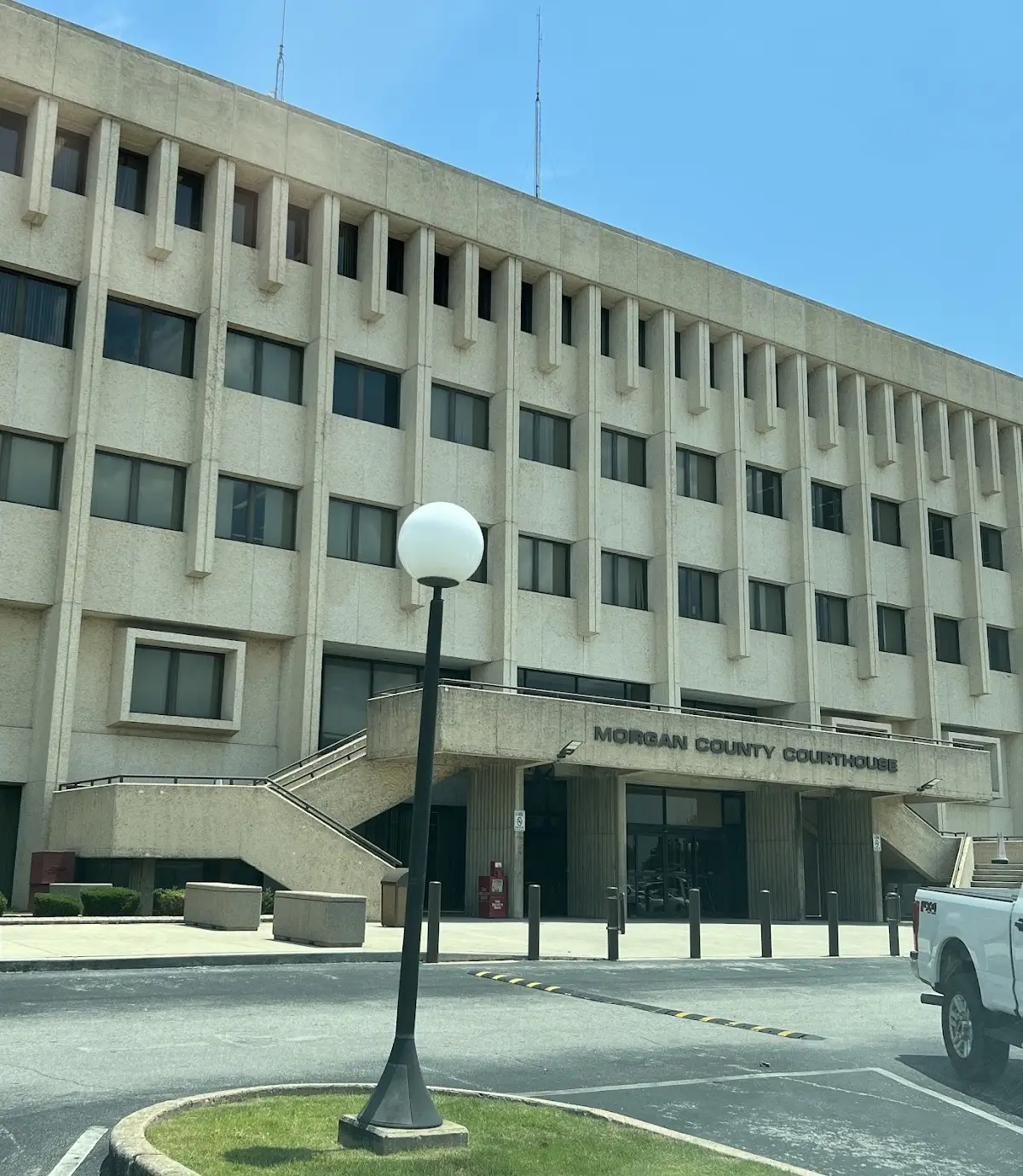
Morgan County Driver License
302 Lee St NE, Decatur, AL 35601, USA
Your Complete Guide to Getting a Driver's License in Decatur
Author: Vladimir Rodriguez
Welcome, Decatur residents — teens, parents, and adults working toward a first license or upgrading to a commercial license. If you're searching for a reliable driving school, cdl training in decatur Alabama, truck driving school decatur al, or drivers ed decatur al, this guide walks you through every step: paperwork, tests, practice hours, choosing the right school, and the special rules that affect teen drivers in Alabama. A structured learning path not only helps you pass tests — it keeps you and everyone on the road safer.
Why a structured learning path matters for safety
- Learning to drive is both a skill and a habit. Structured programs (formal drivers ed or CDL training) teach fundamentals, situational awareness, and proven defensive techniques.
- Professional instruction reduces common errors: poor scanning, incorrect lane discipline, unsafe merging, and improper braking.
- For teens, strong supervision and a formal curriculum reduce crash risk during the high-risk first months of independent driving.
- For prospective truck drivers, a formal truck driving school decatur al gives you the technical training for vehicle size, weight distribution, shifting, pre-trip inspections, and hours-of-service awareness that you cannot reliably learn from casual experience.
This guide blends the official processes you’ll deal with in Alabama with practical, local Decatur advice so you can navigate licensing and choose the best driving school with confidence.
The Alabama Licensing Process: A Detailed Step-by-Step Journey
Below is a clear, step-by-step walkthrough of the licensing process in Alabama. Wherever possible, follow ALEA (Alabama Law Enforcement Agency) instructions and check ALEA’s website before your visit to confirm current forms, fees, and appointments.
Step 1: The Learner's Permit
What the learner's permit is
- The learner’s permit (sometimes called a permit or learner’s license) allows supervised driving so new drivers can gain required behind-the-wheel experience before taking the road skills test.
Requirements for 15 vs 16-year-olds
- 15-year-olds: In Alabama, many teens begin with a learner’s permit (student learner permit) if they meet school/driver education conditions. This status typically ties in to enrollment in a driver education program or school approval. If you’re 15 and pursuing a permit, check ALEA and your school for required driver education enrollment documentation.
- 16-year-olds: At 16, you can obtain a permit and begin the required supervised driving period leading to eligibility for the intermediate (restricted) license after meeting practice-hour and time-held requirements. The exact timing and conditions (such as holding a permit for a minimum number of months) are defined by ALEA’s GDL rules.
ALL required documents (check ALEA before you go)
When you go to the ALEA driver license office (Decatur-area office or nearby), bring originals — photocopies are usually not accepted. Typical required documents include:
- Proof of identity: U.S. birth certificate or valid U.S. passport.
- Proof of Social Security Number: Social Security card or W-2 with SSN.
- Two proofs of Alabama residency: such as a parent’s/guardian’s utility bill, bank statement, or current school transcript showing an Alabama address.
- Proof of school enrollment or completion (for minors): signed attendance records or school enrollment verification.
- Driver education enrollment/completion certificate (if required for your permit category).
- Proof of legal presence if not a U.S. citizen: INS/USCIS documents.
- Parent/guardian consent: if under 18, a parent or guardian may need to accompany you and sign consent forms.
Bring payment for licensing fees; ALEA accepts certain payment methods (confirm online before visiting).
Written knowledge test details
- Format: The knowledge test covers Alabama traffic laws, road signs, and safe driving practices.
- Question count and passing score: Study the current Alabama Driver Manual. Typical knowledge tests are multiple-choice with a passing score requirement (commonly around 80%). The exact number of questions and passing score can vary by exam/version — confirm the current format on ALEA’s site before testing.
- Study tips using the official manual:
- Read the latest Alabama Driver Manual cover to cover. The manual is the source for all knowledge test questions.
- Use practice tests — many are available online and mimic the multiple-choice format.
- Focus on signs, right-of-way rules, speed limits in various situations, DUI laws, and the GDL restrictions that apply to teen drivers.
- Quiz in short sessions over several days rather than cramming the night before.
Step 2: Behind-the-Wheel Practice
Why behind-the-wheel practice matters
- The learner’s permit alone does not make you a safe driver. State-mandated practice hours and structured driving lessons teach real-world skills that only repeated, supervised practice can create.
Explain the state-mandated 30-hour requirement
- Alabama requires supervised behind-the-wheel practice for new teen drivers. A common statewide requirement for teens is 30 hours of supervised driving practice, often including a minimum night-driving component (for example, 10 of those hours at night). Confirm the exact required totals and any logging forms required by ALEA or your school before you start practice.
- Keep a driving log signed by your supervising adult/instructor documenting date, duration, miles, and conditions (day/night, highway/city). A clean log expedites license eligibility and demonstrates compliance.
Checklist of skills to practice (must master these before the road test)
- Basic vehicle control:
- Smooth acceleration and braking
- Steering control and lane management
- Proper use of turn signals and headlights
- Parking:
- Parallel parking
- Angle parking
- Perpendicular parking
- Hill parking with and without curb
- Low-speed maneuvers:
- 3-point turn
- Backing in a straight line
- Backing and parking in tight spaces
- Intersection and traffic management:
- Right-of-way rules
- Proper lane selection approaching intersections and turns
- Roundabout navigation (if applicable in your area)
- Highway driving:
- Merging, lane changes, use of acceleration and deceleration lanes
- Maintaining safe following distances at higher speeds
- Observational scanning at highway speeds
- City driving in Decatur — practice specific local challenges:
- Downtown Decatur has narrow streets, pedestrians, cyclists, and commuter traffic near schools and the TVA. Practice negotiating curbside parking, multi-lane turns, and bus pullouts.
- Practice at rush hours around the Battleship Parkway/Highway 20 and near I-65/I-72 connections, where traffic flows can be heavy.
- Defensive driving and hazard recognition:
- Identify hazards early (pedestrians near schools, vehicles merging on US-31)
- Anticipate the actions of other drivers
- Maintain a space cushion and avoid distractions
Value of professional instruction vs parent-only practice
- Professional instructors bring standardized curriculum, objective feedback, and experience teaching common error patterns to new drivers. They are trained to break down complex tasks into manageable steps.
- Parents provide additional supervised driving time, which is vital and cost-effective.
- Best practice: combine professional lessons (to ensure correct technique and expose learners to comprehensive scenarios) with parent-supervised practice (to increase hours, trust, and comfort).
Step 3: The Road Test
What the road skills test demonstrates
- The road test verifies you can operate a vehicle safely and legally in a variety of road situations, follow road signs, yield properly, and perform parking and low-speed maneuvers.
How to schedule a road test in/near Decatur
- Scheduling: Most ALEA offices use an online appointment system or phone scheduling. For Decatur drivers, you can schedule at the nearest ALEA driver license office — check ALEA’s website for the Decatur office hours, contact details, and appointment availability.
- Plan ahead: Road test slots can fill quickly during peak seasons (summer and after school lets out), so book early and pick a time that gives you adequate preparation.
- Fees: The road test may require a small fee or be part of the overall licensing fee. Confirm current costs with ALEA and the testing office.
Vehicle requirements for the road test
- Insurance: The vehicle used for the road test must be currently insured with proof of insurance in the vehicle.
- Registration: Valid vehicle registration and license plates must be current.
- Condition: The examiner will check that the vehicle is in safe, working condition: operational brake lights, turn signals, horn, tires, and seat belts.
- Driver documentation: Bring your learner’s permit and any required paperwork or driver education certificate.
- If using a driving school car: Many driving schools provide vehicles for the test. If you plan to use a school car, confirm availability and any extra charges. This can be especially helpful: an examiner may allow a school vehicle driven by the instructor while you demonstrate skills; the instructor can also help calm nerves.
What examiners evaluate
- Examiners score on overall vehicle control and safe driving habits:
- Proper signaling and lane changes
- Speed control appropriate to conditions
- Observational scanning: checking mirrors and blind spots
- Proper stopping at signs and signals
- Smooth execution of parking maneuvers and turns
- Keeping the vehicle in proper lane position and space management
- Ability to respond calmly to unexpected hazards
- Immediate failures: Dangerous actions (running a red light, causing a near-collision, operating the vehicle without seat belts) can result in immediate failure.
- Examiner commentary: After the test, the examiner should explain any mistakes and, if you fail, what to practice before retesting.
Step 4: Alabama's Graduated Driver License (GDL) Program
Understanding the GDL program
- Alabama’s GDL program places graduated restrictions on newly licensed teen drivers to reduce crash risks while skills and judgment mature.
- The GDL phases commonly include: learner’s permit period (supervised), intermediate (restricted) license, and full license at an older age or after meeting conditions.
All restrictions for teen drivers (curfews, passenger limits)
- Curfews: Teen drivers under the intermediate/restricted license often face nighttime driving curfews (e.g., restricted hours during late night/early morning when crash risk increases). The exact hours may be specified by ALEA and can vary by license stage.
- Passenger limits: The intermediate license commonly restricts the number of non-family teen passengers allowed in the vehicle to reduce distractions and crash risk.
- Cell phone use: Many states prohibit handheld cell phone use and texting for all drivers under a certain age — enforce a strict no-texting, no-handheld-phone rule for teen drivers.
- Violation consequences: Breaking GDL restrictions can result in fines, license suspension, or extended restriction periods.
NOTE: Since specifics of curfew hours, passenger allowances, and fine structures may be updated over time, always verify the current GDL rules with ALEA before attempting to convert a learner’s permit into an intermediate license or before allowing a teen to drive unsupervised.
How to Choose the Perfect Driving School in Decatur
Selecting the right local driving school (for teen drivers or adults seeking a standard license or CDL) is critical. Decatur has options that cater to new teen drivers, adult drivers, and professional truck drivers. Use this section to find the best fit.
Top things to evaluate in any driving school
- ALEA certification and licensing
- Instructor qualifications and training
- Curriculum depth (classroom and behind-the-wheel)
- Vehicle condition and availability for tests
- Clear pricing and refund policies
- Positive, local references and up-to-date safety training
Comparing Costs & Value
Typical price ranges and what’s included vs extras
- Drivers Ed (teen programs):
- Typical range: $300–$700 for combined classroom + behind-the-wheel packages, depending on hours and reputation.
- Included: classroom instruction, a set number of behind-the-wheel hours, permit and test preparation, often a driving log form, and possibly one road test attempt in a school car.
- Extras: additional behind-the-wheel hours, road test vehicle fees, night-driving modules, or defensive driving courses.
- Adult behind-the-wheel packages:
- Typical range: $50–$100 per hour for private lessons. Package discounts often available.
- Included: one-on-one instruction, lesson plans tailored to experience level.
- CDL training (truck driving school decatur al, cdl training in decatur Alabama):
- Typical range: $5,000–$10,000 for comprehensive CDL training programs (varies widely by course length, endorsements — e.g., HAZMAT, tanker, doubles/triples — and job placement services).
- Included: classroom CDL theory, hands-on range practice, on-road training, pre-trip inspections, and assistance with the CDL testing process.
- Extras: fees for endorsement testing, job placement support, and advanced safety modules.
Look for value, not just the cheapest option
- The most economical program may skip crucial behind-the-wheel time or use high-student-to-instructor ratios. Prioritize schools that demonstrate consistent pass rates and invest in quality instruction and safe vehicles.
CDL Training vs. Regular Driver's Ed in Decatur
Clear differences and general advice
- Purpose and audience:
- Driver’s Ed: Designed for teen and new passenger vehicle drivers to earn a standard driver’s license; focuses on car/ SUV/ light truck operation, laws, and safety.
- CDL training: Designed to prepare students for commercial driver’s licenses and professional truck driving careers; includes heavy vehicle dynamics, endorsements, and industry-specific safety and federal regulations (FMCSA rules).
- Curriculum:
- Driver’s Ed: Classroom laws, road signs, safe driving techniques, and basic behind-the-wheel skill-building.
- CDL training: Pre-trip inspections, shifting and air brake systems, coupling/uncoupling trailers, long-haul operation, cargo securement, logbooks, hours-of-service regulations, and entry-level driver training (ELDT) compliant curriculum.
- Time and cost:
- Driver’s Ed is shorter and less costly. CDL training requires more hours, specialized equipment, and higher costs.
- Job preparation:
- CDL schools often provide or connect graduates with job placement and industry contacts. For Decatur residents seeking cdl training in decatur Alabama, look for schools that offer modern trucks and structured road-time.
The Checklist: 10 Questions to Ask Before Enrolling
1. Is the school ALEA-certified and in good standing with the state? (Ask to see certification.)
2. What is the student-to-instructor ratio for behind-the-wheel lessons?
3. Are instructors background-checked, licensed, and professionally trained?
4. Does the program include both classroom/online instruction and a set number of in-car hours? How many?
5. Are night driving and highway practice included, and how many hours of each?
6. Can the school provide the vehicle for the road test at the ALEA office? Are there additional fees?
7. For CDL: does the curriculum meet ELDT requirements and prepare students for specific endorsements?
8. What is the school’s pass rate for the driving test (state or local office)?
9. Is insurance required or included when using the school vehicle for lessons or the road test?
10. What is the refund/cancellation policy and how are make-up lessons handled if a student misses a session?
Frequently Asked Questions (FAQ) for Decatur Drivers
1. How much does driving school cost in Decatur?
- Cost varies by type of program. Teen drivers ed packages in Decatur commonly range from about $300 to $700 for combined classroom and behind-the-wheel training. Adult private lessons are often priced hourly ($50–$100 per hour). CDL training (truck driving school decatur al) is a larger investment, typically between $5,000 and $10,000 for a full program that includes hands-on truck time, depending on endorsements and job placement services. Always ask what’s included (road test vehicle, night driving practice, permit prep) and watch for hidden fees.
2. How many behind-the-wheel hours are required in Alabama?
- Alabama generally requires supervised behind-the-wheel practice for teen drivers; a commonly required minimum is 30 hours of supervised driving, including a set number of night hours (often around 10). Driving education programs and ALEA may also require documented logs. Adults over 18 often do not have a fixed minimum state-mandated practice hour requirement but benefit greatly from professional lessons. Confirm the current hour requirements with ALEA before scheduling your test or submitting paperwork.
3. Can I use a driving school's car for my road test?
- Many driving schools provide a vehicle for the road test, which can be helpful because their vehicles are maintained specifically for instruction and testing. There may be an extra fee to use the school vehicle for the ALEA exam, so confirm cost and scheduling details in advance. If using your own vehicle, ensure registration, insurance, and safety features are all current — examiners will inspect the vehicle before testing.
4. What's the difference between driver's ed and defensive driving?
- Driver’s Ed:
- Focus: teach new drivers the rules of the road, basic driving skills, and prepare for permit and license tests.
- Audience: teens and new drivers.
- Includes classroom instruction and behind-the-wheel practice.
- Defensive Driving:
- Focus: advanced strategies to avoid crashes and manage hazards (collision avoidance, space management, scanning).
- Audience: all drivers wanting to improve safety or reduce points/insurance rates.
- Often shorter, may be offered as a single class or online module.
- They complement each other: start with driver’s ed to learn fundamentals, then use defensive driving to refine safe habits.
5. Are there special requirements for adult drivers over 18 in Alabama?
- Adults (18 and older) can generally apply for a learner’s permit and then take the road test after meeting any waiting periods and training requirements. Specific requirements differ from teen GDL rules; adults may not be subject to the same passenger or curfew restrictions but must follow Alabama’s overall licensing rules, complete identity and residency documentation, and pass the vision, knowledge, and road tests. Adults seeking CDL must meet federal medical requirements and specific training for commercial driving.
6. How can I verify a driving school is state-certified by ALEA?
- Ask the driving school for proof of ALEA certification and any instructor licenses. Then verify directly:
- Check ALEA’s official website for a list of approved schools or contact ALEA’s licensing unit by phone or email to confirm the school’s status.
- Ask the school for references or local parent/student testimonials and check online reviews focused on safety, pass rates, and instructor professionalism.
7. What are the GDL passenger and curfew restrictions for teen drivers?
- Under Alabama’s GDL structure, newly licensed teen drivers typically face:
- Passenger restrictions: limits on the number of non-family teen passengers during the intermediate/restricted license period to reduce distractions.
- Curfew restrictions: bans or limits on driving during late-night hours when crash risk is higher. Specific start and end times (e.g., late-night curfews) and the duration of the restriction can be defined by ALEA.
- Because GDL rules can be updated, check the current ALEA materials for exact passenger and curfew details, and instruct teen drivers that breaking these restrictions can result in fines or license suspension.
8. Do I need an appointment for the learner's permit test at the Decatur ALEA office?
- Many ALEA offices encourage or require appointments for written knowledge testing and road tests. Walk-in availability varies by office and day. To avoid long waits or a wasted trip:
- Check ALEA’s online appointment portal for the Decatur-area driver license office.
- Call the office to confirm whether appointments are required for the learner’s permit test, the availability of seatings, and the documents you must bring.
- If the site shows walk-in hours, arrive early with all required documents and a full understanding of payment methods accepted.
---
Final tips for Decatur drivers and parents
- Start early: Enroll in a drivers ed decatur al program that aligns with ALEA requirements. Combine professional lessons with parent-supervised driving.
- Keep meticulous logs: A signed driving log is your evidence of practice hours — keep it neat and accurate.
- Practice locally: Drive the actual roads you’ll be tested on (if allowed) and those used for daily routines — practice downtown Decatur traffic, school zones, and the highway on-ramps around town.
- Choose quality training: For teens, well-structured drivers ed builds lifelong safe habits. For adults, targeted lessons fix bad habits and build confidence. For aspiring truck drivers, accredited cdl training in decatur Alabama is essential to mastering vehicle-specific skills and meeting employer expectations.
- Confirm everything with ALEA: State rules, fees, and testing formats change occasionally. Use ALEA’s official site and the local Decatur driver license office as your final authority.
If you’re ready to compare local options, ask driving schools for their ALEA certification, itemized pricing, lesson schedules, instructor bios, and pass-rate statistics. A good school will be transparent, answer your questions, and help schedule your permit test and road test logistics.
Drive safely — and remember: structured learning, practice, and good instruction are the best investments for a lifetime of safer driving.