
Top Driving Schools Near You
Explore our curated list of the best schools, based on student reviews, DMV-alignment, and our expert criteria.
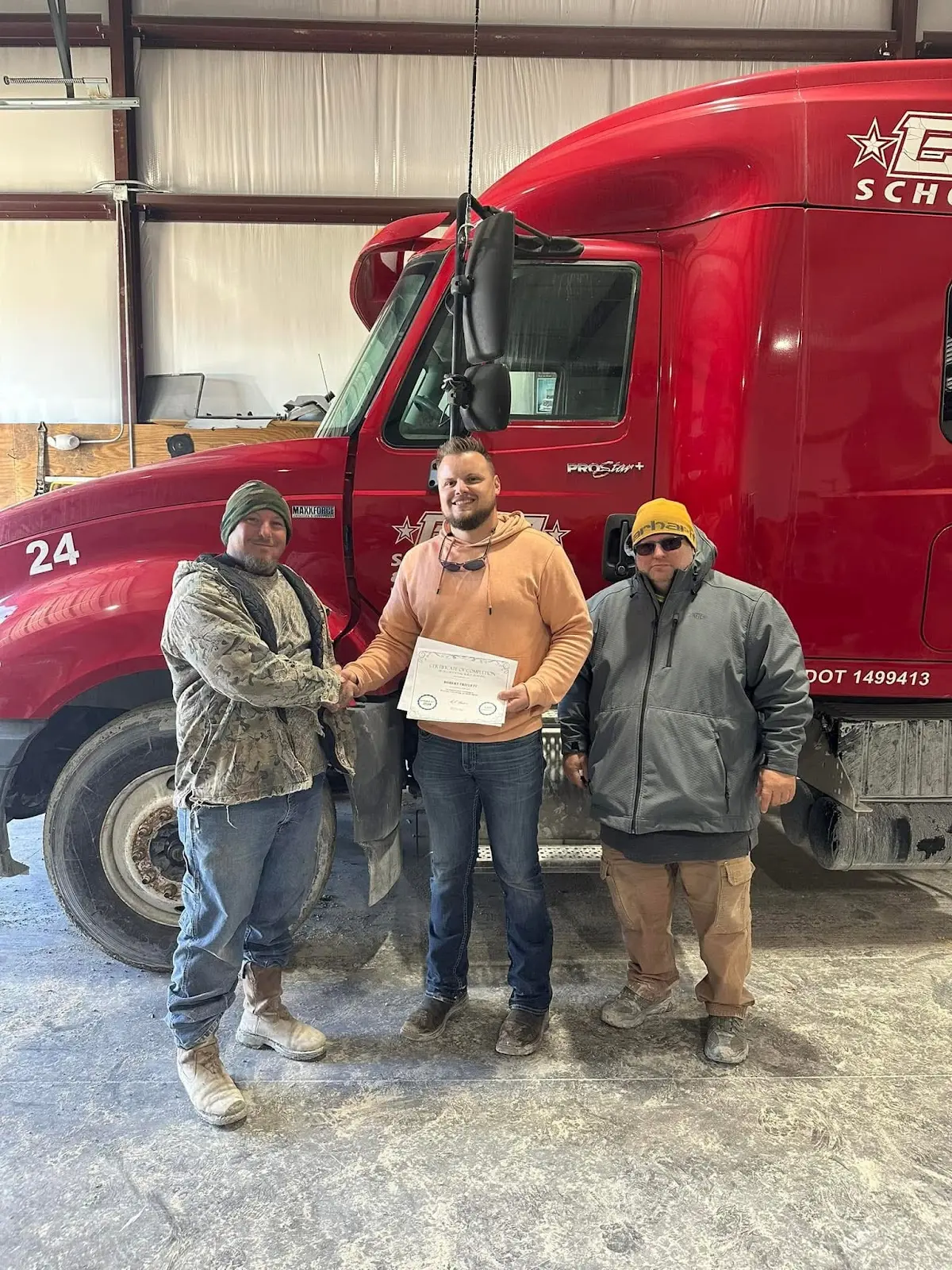
Hoover Defensive Driving Department
2020 Valleydale Rd, Hoover, AL 35244, USA
Alabama Driving School
5716 Park Side Rd, Hoover, AL 35244, USA
Your Complete Guide to Getting a Driver's License in Hoover
Author: Vladimir Rodriguez
If you live in Hoover, Alabama, or have a teen preparing to get behind the wheel, this is your one-stop, authoritative guide to every step — from the first learner’s permit to choosing the right driving school. Whether you’re a parent helping a teen navigate the Graduated Driver License (GDL) process, a young driver ready for independence, an adult seeking a first license after turning 18, or a professional exploring cdl training in Hoover Alabama, this guide breaks down the rules, the realistic expectations, and the local choices you need to feel safe and confident on the road.
Hoover is a busy suburban community with a mix of neighborhood streets, busy corridors (like US-280 and Highway 31), shopping-center traffic, and interstate access to I-459 and I-65. That variety makes learning to drive here a great training ground — but it also makes a structured, step-by-step learning path essential for safety. A good driving school or a well-planned parent-led practice schedule reduces anxiety, shortens the learning curve, and helps new drivers build the core skills that prevent the common, serious crashes teens face during their first years of driving.
Naturally, when we talk about the best pathways for Hoover residents, keywords you’ll hear again and again are: driving school, cdl training in Hoover Alabama, truck driving school Hoover AL, and drivers ed Hoover AL. Each of these serves a different goal and driver profile, and all are worth considering carefully. Why? Because a structured learning path matters for safety — skilled instruction reduces risky behaviors, teaches situational awareness, and prepares drivers to handle the unique traffic patterns, weather, and road types you’ll find around Hoover.
Read on for the full, detailed roadmap: licensing steps, behind-the-wheel expectations, how to pick the right driving school (including CDL vs regular driver’s ed), a checklist of essential questions to ask, and a thorough FAQ addressing the common practical questions parents and drivers have.
The Alabama Licensing Process: A Detailed Step-by-Step Journey
Note about source material: the official Alabama Law Enforcement Agency (ALEA) governs licensing, testing, and approvals. When preparing for tests and paperwork, always verify with ALEA’s website or your local ALEA office for the latest forms, fees, and operating hours. The steps below reflect the commonly required progression through permit, supervised practice, road testing, and GDL restrictions for teens.
Step 1: The Learner's Permit
A learner’s permit is the required first step for most new drivers and gives you the legal right to practice driving under supervision. There are different rules and expectations depending on age.
Requirements for 15 vs 16-year-olds
- 15-year-olds: Many Alabama teens can apply for a learner’s permit at 15 if they are enrolled in an approved driver education program or meet school attendance requirements and have parental consent. The permit allows supervised driving while the teen completes required behind-the-wheel practice and classroom hours associated with drivers ed Hoover AL offerings.
- 16-year-olds: At 16, teens who have completed the required driver education and behind-the-wheel practice can progress more quickly toward a provisional license. The 16-year-old permit period is typically the time when the supervised practice requirement is completed and documented.
ALL required documents (what you should bring to the ALEA/DMV office)
When you go to apply for the learner permit, bring originals (or certified copies) of the following documents — lacking any of these can delay your application:
- Proof of identity and age (certified birth certificate or valid U.S. passport).
- Proof of lawful presence (U.S. birth certificate or passport; non-U.S. citizens need immigration documents).
- Social Security number (Social Security card). If you don’t have one, bring documentation that explains your SSN status and check ALEA rules for alternatives.
- Two proofs of Alabama residency (examples: utility bill, bank statement, parent/guardian’s lease or mortgage statement). These must show physical address in Alabama.
- Parent/guardian consent form (if under 19 or if ALEA requires parental signature).
- Driver education enrollment or completion certificate (if applicable for your age group).
- School enrollment/attendance form for minor applicants (if required by ALEA).
- Payment method for permit fee (fees vary; check ALEA for the current amount).
Written knowledge test details
- Format and size: You will take a written knowledge test that covers Alabama traffic laws, road signs, and safe driving practices. The test is multiple choice.
- Question count and passing score: Typical Alabama written knowledge tests are 30 multiple-choice questions and you must earn 80% or higher to pass (commonly interpreted as 24 correct answers out of 30). Confirm the exact number and passing score at your local ALEA office or on their official testing information.
- Study tips using the official manual:
- Read the Alabama Driver Manual cover-to-cover — it’s the authoritative source for both the test content and safe driving rules.
- Focus on road signs, right-of-way rules, speed limits, seat belt laws, and local restrictions for teen drivers.
- Use practice tests (found online from reputable local driving schools or ALEA-approved sources) to build confidence and identify knowledge gaps.
- Quiz yourself in short sessions over several days rather than cramming the night before.
- When you miss a practice question, revisit that topic in the manual — don’t just memorize answers.
Step 2: Behind-the-Wheel Practice
Classroom knowledge is only the beginning. Real skill comes from deliberate practice behind the wheel.
State-mandated hours: supervised practice
- Alabama requires teen drivers to complete a set amount of supervised driving practice before advancing toward a full or provisional license. The typical state requirement is 30 hours of supervised behind-the-wheel driving, including night driving practice (commonly including about 10 hours at night). Verify the exact hour count and night driving hour requirement with ALEA or your driver’s ed provider.
- Keep a written log: ALEA or your driving school may require a signed driving log that documents the hours completed, the conditions (night, highway, city), and the supervising driver’s signature.
Checklist of skills to practice (essential maneuvers for Hoover drivers)
- Basic control: smooth acceleration and braking, eye-positioning, and consistent lane control.
- Parking: angle parking, parallel parking, and parking in lots (shopping centers are common in Hoover).
- Backing: straight backing and backing around a corner.
- Three-point turns: execute safely and understand when it’s appropriate.
- Hill starts: on inclines and controlled neighborhood streets.
- Lane changes: mirrors, blind-spot checks, signaling, and gap assessment.
- Intersections: controlled and uncontrolled, 4-way stops, yield-traffic scenarios.
- Highway driving: merging, lane discipline, safe following distance (especially on I-459 and I-65).
- City driving: negotiating traffic lights, turn lanes on US-280, and brief congestion when schools or shopping centers unload.
- Night driving: reduced visibility adjustments, glare control, and safe speed judgment.
- Adverse conditions: basic exposure to wet roads and reduced-traction handling (only if safe and legal — consider using professional instructors for advanced or hazardous-condition training).
Value of professional instruction vs parent-only practice
- Benefits of professional instruction:
- Trained instructors follow a structured curriculum proven to reduce risk.
- Professional sessions often include observation and feedback the supervising parent might miss.
- Many driving schools provide dual-control vehicles, additional insurance coverage, and a formal written record of completed hours that ALEA will accept.
- For CDL training in Hoover Alabama or truck driving school Hoover AL programs, professional training is mandatory and tailored to heavy vehicle skills and DOT compliance.
- Value of parents supervising:
- Cost effective and allows a lot of practice time in familiar local roads.
- Parents can reinforce safe habits daily and provide context about family driving expectations.
- Best approach: combine both. Use a certified drivers ed Hoover AL program for the formal behind-the-wheel curriculum and supplement with lots of parent-supervised practice to build mileage and real-world experience.
Step 3: The Road Test
The road test is your chance to demonstrate practical driving competence. Preparation is everything.
How to schedule in/near Hoover
- Schedule online or call your local ALEA driver license office. Hoover residents often use the nearby ALEA or DMV offices in Hoover/Birmingham or satellite locations that serve Jefferson County.
- Book early — appointment slots can fill up, particularly in summer when teens are testing for seasonal milestones.
- Confirm what documentation you need to bring on test day: learner’s permit, driving log, proof of completed required hours, and photo ID.
Vehicle requirements for the exam
- The vehicle you use for the road test must be legal and safe:
- Current registration and proof of insurance must be in the vehicle.
- The vehicle must be properly functioning: lights, turn signals, horn, brakes, mirrors, windshield wipers, and tires in safe condition.
- No dashboard warning lights showing major mechanical problems.
- Seat belts for examiner and driver in working order.
- If you use a driving school’s car, the school typically arranges insurance and ensures the vehicle meets testing standards.
- If the examiner deems the vehicle unsafe, your test can be canceled or rescheduled.
What examiners evaluate
Examiners evaluate a wide range of skills and safe-driving behaviors. Expect evaluation of:
- Starting and stopping smoothly.
- Proper signaling and lane changes.
- Observation: checking mirrors and blind spots regularly.
- Speed control: obeying speed limits and adjusting speed appropriately for conditions.
- Following distance: maintaining safe space from other vehicles.
- Intersection behavior: safe turns, yielding, and proper lane selection.
- Parking maneuvers: parallel parking, backing, and angle or perpendicular parking as required.
- Compliance with road signs and traffic laws.
- Courtesy and defensive driving: anticipating hazards, responding correctly to other drivers and pedestrians.
Step 4: Alabama's Graduated Driver License (GDL) Program
Alabama’s GDL is designed to reduce risk for novice drivers by limiting high-risk situations during the initial licensing period. Below are the common restrictions and expectations for teen drivers. Confirm the exact restrictions and timeframes with ALEA, as specific curfews and passenger limits can be updated.
All restrictions for teen drivers (commonly enforced components)
- Passenger restrictions: Newly licensed teen drivers are typically limited in the number and type of passengers they can carry during the first months of independent driving. Often this includes limiting non-family passengers or the total number of under-21 passengers for a set period (e.g., first 6 months).
- Curfew restrictions: Many GDL programs restrict driving during late-night hours — for example, prohibiting driving from midnight to 4 a.m. except for work, school, or emergency purposes. Check ALEA for the exact hour window that applies in Alabama.
- Cell phone and device bans: Teen drivers usually face a stricter ban on handheld device use, often a zero-tolerance policy for texting and handheld phone use.
- Seat belt requirement: Mandatory for all occupants; teens and supervising adults must ensure proper use.
- Probationary period: Teen licenses may be conditional or probationary for a period (commonly until age 18 or for a fixed number of months), with any major violation affecting the license status.
The GDL program is a safety-driven framework. The restrictions are not punitive — they’re proven risk-reduction measures. Staying informed and following the rules keeps teens safer and helps families avoid fines and license suspensions.
How to Choose the Perfect Driving School in Hoover
Choosing the right driving school affects safety, convenience, and your long-term driving costs. Whether you’re choosing drivers ed Hoover AL for a teen or cdl training in Hoover Alabama for a commercial career, use the criteria below.
Comparing Costs & Value
Typical price ranges and what’s included vs extras
- Drivers ed (teen classroom + minimal behind-the-wheel): $200–$500 depending on package, course length, and whether it includes the required behind-the-wheel hours.
- Comprehensive driver’s ed with guaranteed behind-the-wheel sessions and test vehicle use: $400–$800.
- Adult driving lessons (per hour): $50–$90 per hour.
- CDL training (Class A basic programs): $5,000–$12,000 depending on program length, endorsements included, and job-placement services. Shorter refresher CDL courses cost less, while full-entry programs that prepare you for the CDL knowledge and skills tests plus on-the-road training are at the higher end.
- Truck driving school Hoover AL pricing: If you’re seeking a local truck driving school Hoover AL package, expect $5K–$8K for a full course; higher prices may offer guaranteed job interviews, lodging, or overnight training.
- What's typically included:
- Classroom instruction (hours vary).
- A set number of behind-the-wheel sessions (documented).
- Use of a dual-control vehicle in many teen packages.
- Certified instructors and an official certificate upon completion.
- Extras often charged separately:
- Additional behind-the-wheel hours beyond the package.
- Use of the school vehicle for the road test (sometimes included, sometimes extra).
- Administrative fees, study materials, or online portal access.
- CDL endorsements (hazmat, tanker) or DOT medical exam fees.
Look for value, not just the cheapest option
- The cheapest program may skimp on instructor experience, vehicle quality, or adequate in-car time.
- Pay attention to instructor credentials, classroom quality, dual-control vehicle availability, documented success rates, and whether the school provides a clear written contract with refund/cancellation terms.
- For CDL: ensure the program includes the required skills practice, access to a modern training vehicle, and assistance with the CDL testing process and job placement if you want that service.
CDL Training vs. Regular Driver's Ed in Hoover
Clear differences and guidance
- Purpose:
- Driver’s ed (regular): Prepares teens and new adult drivers for passenger vehicle licensing (Class D). Focus is on traffic laws, defensive driving, and practical skills for everyday driving.
- CDL training: Prepares adults for commercial vehicle operation (Class A, B, or C). Focus includes vehicle-specific skills (air brakes, large-vehicle maneuvering, backing, coupling/uncoupling), federal DOT regulations, hours-of-service rules, and commercial inspection procedures.
- Curriculum:
- Driver’s ed focuses on basic vehicle control, signs, and safe habits.
- CDL training includes pre-trip inspections, freight securement, long-haul safety, trip planning, and regulatory compliance.
- Time and cost:
- Driver’s ed programs are shorter and less costly.
- CDL programs are longer, more intensive, and more expensive — but they can lead directly to higher-paying jobs.
- Licensing tests:
- Regular license: knowledge and road test for a standard vehicle.
- CDL: multiple knowledge endorsements and a specialized skills test in the vehicle type.
- Recommendation: If you’re aiming for a driving-related career or to operate heavy vehicles, investing in accredited truck driving school Hoover AL or cdl training in Hoover Alabama is essential. Don’t try commercial driving on your own; the skills and regulations are specialized and safety-critical.
The Checklist: 10 Questions to Ask Before Enrolling
Before you sign up, ask the driving school these 10 specific questions:
1. Is your school certified or authorized by ALEA, and can you show proof of certification?
2. What is your student-to-instructor ratio for classroom and behind-the-wheel sessions?
3. How many behind-the-wheel hours are included, and do you offer additional hours if needed?
4. Do you provide a school vehicle for the road test (and is it included in the price)?
5. What are your instructors’ qualifications and background checks (including experience and teaching credentials)?
6. What is your completion/pass rate for first-time testers obtaining a license or CDL?
7. Are your driving instructors licensed and insured, and does the school carry commercial insurance for in-car lessons?
8. What is your refund, cancellation, and rescheduling policy?
9. For CDL applicants: which endorsements do you train for, and do you offer job-placement assistance?
10. Do you provide written progress reports, a driving log, or documentation ALEA requires for licensing?
Why Accreditation Matters
Accreditation and state certification are not bureaucratic details — they’re about safety, accountability, and legal recognition.
- ALEA certification (and other state approvals) means the school meets state requirements for curriculum, instructor training, and vehicle safety. ALEA-approved providers are recognized by testing centers and are more likely to provide documentation ALEA will accept for licensing.
- For teens: ALEA approval often simplifies the pathway from drivers ed to permit and then to a provisional license.
- For CDL students: accredited commercial driver schools provide the necessary logbooks, DOT knowledge coverage, and skills practice that meet federal and state standards.
- Accreditation also means the school is accountable to oversight, subject to audits, and must meet minimum standards for facilities, vehicles, and instructor qualifications. That leads to safer, more reliable training.
Frequently Asked Questions (FAQ) for Hoover Drivers
1. How much does driving school cost in Hoover?
- Teen drivers ed packages: Typically $200–$800 depending on whether the package includes classroom hours, the required behind-the-wheel training, and whether the school provides a test vehicle. Full-service packages that guarantee behind-the-wheel hours and include the test vehicle are at the higher end.
- Adult lessons: Expect $50–$90 per hour for one-on-one instruction.
- CDL programs and truck driving school Hoover AL: Full-entry CDL programs generally run $5,000–$12,000 depending on whether they include endorsements, housing, and job placement help. Shorter refresher or endorsement-only courses are cheaper.
- Tip: Ask for a full written estimate that lists what’s included and any additional fees (administrative, vehicle use for the road test, make-up lessons, or retest fees).
2. How many behind-the-wheel hours are required in Alabama?
- For teen drivers, the commonly required supervised practice is 30 hours of behind-the-wheel driving including a specified number of night driving hours (often around 10). Double-check with ALEA or your driving school to confirm the exact hour and night-driving requirements at the time you apply.
- Adults over 18 who are obtaining their first license may not be bound to the same GDL hour requirements but could benefit from professional lessons to prepare for the road test.
3. Can I use a driving school's car for my road test?
- Many driving schools provide their vehicles for the road test; some include this in their packages and others charge an extra fee. Using a school car can reduce stress (the car will be inspected and known to the instructor), and examiners often appreciate the dual-control setup common in training vehicles. Confirm availability and any extra fees when you enroll.
4. What's the difference between driver's ed and defensive driving?
- Driver’s ed (drivers ed Hoover AL): A structured course designed to teach new drivers the rules of the road, basic vehicle control, and the skills required to obtain a license. It includes classroom time and required behind-the-wheel practice.
- Defensive driving: A skills-focused course for licensed drivers that teaches hazard recognition, risk reduction techniques, collision avoidance, and strategies for managing aggressive drivers, poor weather, or other emergencies. Defensive driving is often shorter and may reduce insurance premiums or points on your license if you completed it after a traffic citation (check local insurer and court rules).
5. Are there special requirements for adult drivers over 18 in Alabama?
- Adults (18+) seeking a first Alabama license generally must provide proof of identity, residency, and SSN, pass the written knowledge test and vision screening, and pass a road skills test. Driver’s education is often optional for adults but recommended. The GDL restrictions applied to teens usually do not apply for adults, but any driver under 21 should be mindful of specific zero-tolerance rules (for example, regarding handheld devices) that some states apply differently by age.
6. How can I verify a driving school is state-certified by ALEA?
- Ask the school for a copy of their ALEA certification or license number.
- Check ALEA’s official website or contact ALEA customer service to verify the school’s name and certificate status.
- Look for an ALEA provider list online. If a school claims certification but can’t produce documentation or an ALEA ID, consider that a red flag.
7. What are the GDL passenger and curfew restrictions for teen drivers?
- Passenger limits: During the earliest months of licensure under GDL, teens are typically limited in the number and type of passengers they may carry (commonly allowing only immediate family members or restricting non-family passengers) for a defined period (often six months). After that period, limits can expand but often still restrict large groups of passengers for the first year or until age 18.
- Curfew: Many GDL programs limit driving during late-night hours — a common restriction is not driving between midnight and early morning hours (for example, midnight to 4 a.m.), with exceptions for work or school-approved activities. Confirm ALEA’s exact curfew hours and allowable exceptions, as these can be updated or differ by circumstance.
8. Do I need an appointment for the learner's permit test at the Hoover ALEA office?
- Appointments are commonly required or strongly recommended because testing centers often operate on an appointment basis to manage demand. Many ALEA offices allow online scheduling for written tests and road tests. Walk-ins may be accepted at some locations, but wait times can be long. Check the ALEA website or call your local office to make an appointment and confirm required documents before you go.
---
Final reminders for Hoover families and adult learners:
- Start early with planning: complete forms, schedule appointments, and sign up for driver’s ed early — summer and late spring are busy seasons for testing.
- Mix instruction types: combine professional driving lessons with plentiful supervised parent practice to build both skill and confidence.
- Prioritize safety over speed: more practice, especially in highways and night conditions, reduces the crash risk for new drivers.
- For CDL aspirants: choose an ALEA-approved truck driving school Hoover AL or cdl training in Hoover Alabama program with up-to-date equipment and strong job-placement support if you plan to enter the industry.
If you follow a structured learning path, document your hours carefully, and choose a reputable, certified driving school, you’ll give the new driver in your life the best possible start — safe, confident, and legally prepared for the road.