
Top Driving Schools Near You
When searching for a "driving school near me," this curated list is the perfect place to start. Explore the best local schools, based on student reviews, DMV-alignment, and our expert criteria.
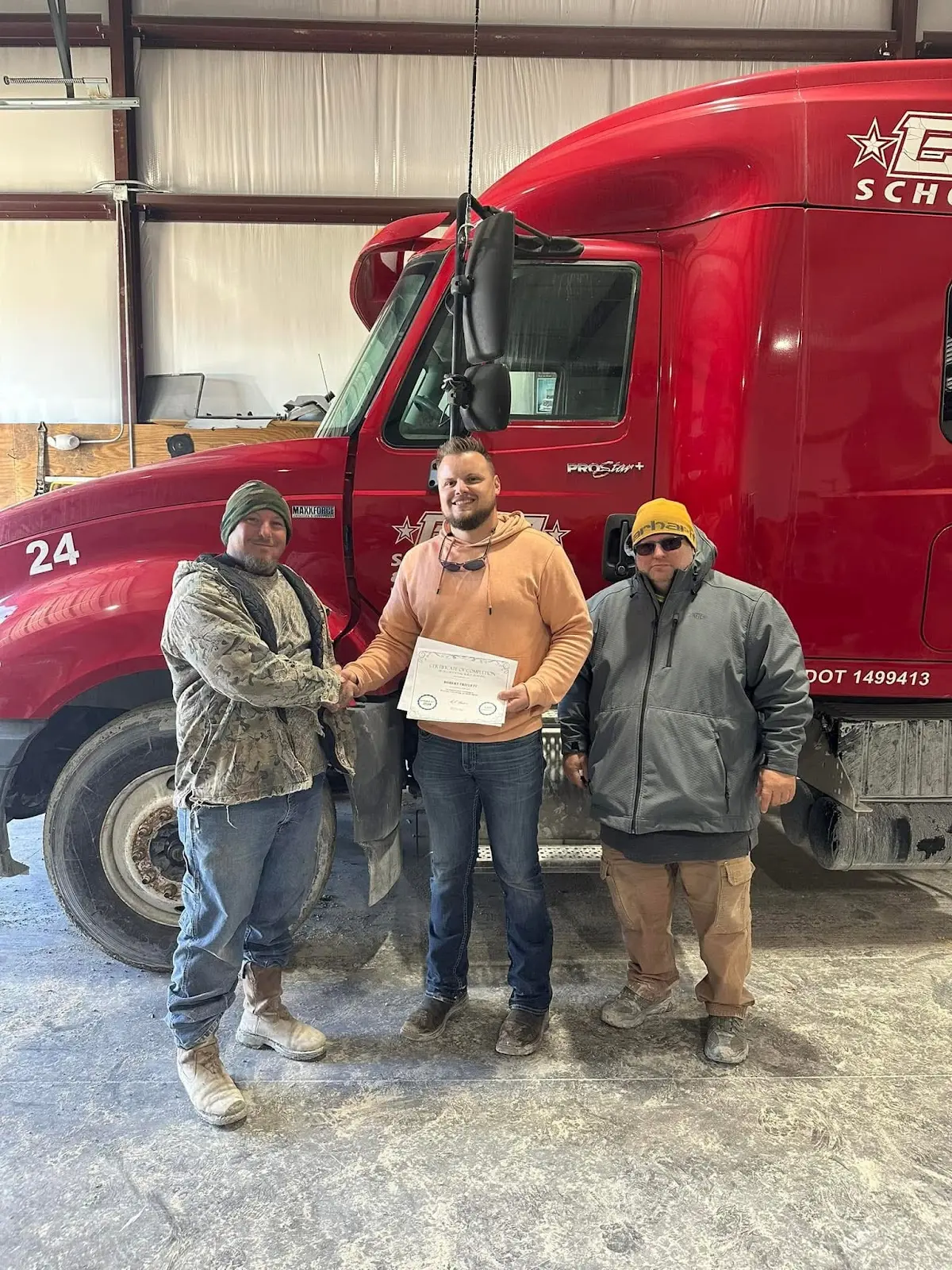
Alabama Driving Academy of Huntsville
8603 Madison Blvd, Madison, AL 35758, USA
Your Complete Guide to Getting a Driver's License in Madison
Author: Vladimir Rodriguez
Welcome to Madison, Alabama — a growing city with family neighborhoods, busy commuter corridors to Huntsville, and plenty of reasons to get on the road safely. Whether you're a teen taking your first steps toward independence, a parent guiding a new driver, an adult obtaining a license for the first time, or someone pursuing a career in trucking, this guide will walk you through every step. I’ll help you find the right driving school near me, explain Alabama’s licensing requirements, and give practical advice specific to Madison residents.
Keywords you’ll see throughout this guide: driving school, truck driving school in madison Alabama, cdl school madison al, drivers ed madison al. These reflect the local options and search phrases families and adults commonly use when looking for training and licensing help in our area.
Why a structured learning path matters for safety
- Driving is complex. A structured program — a blend of classroom study, professional behind-the-wheel instruction, and supervised practice — builds reliable habits.
- Structured training reduces risky behaviors (speeding, poor scanning, unsafe lane changes) and lowers crash risk for novice drivers.
- For teens, the combination of state-mandated hours, professional instruction, and parental coaching creates a gradual, supervised transition to independent driving.
This guide will give you the step-by-step licensing path and practical checklists so you and your teen can move confidently through the process here in Madison.
The Alabama Licensing Process: A Detailed Step-by-Step Journey
Note: Alabama’s licensing is administered by the Alabama Law Enforcement Agency (ALEA). Procedures and document requirements can change; always confirm current forms and appointments through ALEA’s official site or your local office. The steps below reflect the standard path most Madison residents follow.
Step 1: The Learner's Permit
The learner's permit is the first formal step for new drivers and the foundation of the Graduated Driver License process.
Requirements for 15 vs 16-year-olds
- 15-year-olds: In Alabama, teens can typically obtain a learner’s permit at 15 with parental consent. This permit allows supervised driving with a qualified licensed adult in the vehicle. The permit is designed to begin the supervised practice period under the Graduated Driver License program.
- 16-year-olds: At 16, teens who have completed required instruction and practice can progress toward restricted or intermediate licenses after meeting the behind-the-wheel and classroom requirements and passing the driving exam.
ALL required documents (typical list — bring originals)
Bring original documents (photocopies are generally not accepted) and have a parent or legal guardian accompany minors when required.
- Proof of identity: certified birth certificate or valid U.S. passport.
- Proof of Social Security Number: Social Security card or W-2 showing full SSN.
- Proof of Alabama residency: two documents such as a parent/guardian’s utility bill, lease agreement, or bank statement with the Alabama address (must match the address you give on forms).
- Proof of school enrollment or high school diploma/GED for minors: many offices require a School Enrollment Form or equivalent for those under 19.
- Parental consent: signature of a parent or legal guardian for applicants under 19.
- Certificate of completion of a state-approved drivers education course (if applicable for teens pursuing the GDL pathway).
- Proof of lawful presence or citizenship documentation for non-U.S. citizens (passport, visa, or immigration papers as applicable).
Because ALEA occasionally updates document lists, call ahead or check ALEA’s website for any new or specific forms required at your local Madison/Huntsville area office.
Written knowledge test details (question count, passing score) + study tips using the official manual
- Test format: The permit (knowledge) test is a multiple-choice exam covering traffic laws, signs, and safe driving practices.
- Question count & passing score: A typical Alabama knowledge test has 30 questions, and the standard passing score is 80% (which means correctly answering 24 out of 30 questions). If you fail, a retest policy and possible waiting period will apply — check ALEA for current retest rules.
- Study tips:
- Read the official Alabama Driver Manual cover-to-cover. The manual is the source of all test material.
- Take online practice tests that mirror the 30-question format. Time yourself and aim for 90% on practice to build confidence.
- Study road signs and pavement markings separately — they’re commonly emphasized on the test.
- Work through difficult topics (right-of-way, merging, school bus laws) in short, consistent sessions rather than cramming.
Step 2: Behind-the-Wheel Practice
Classroom learning is necessary, but real driving skill grows behind the wheel.
Explain the state-mandated 30-hour requirement
- Alabama requires a minimum of 30 hours of behind-the-wheel driving practice for teen drivers as part of the Graduated Driver License pathway. These hours are intended to cover a variety of conditions — daytime, nighttime, urban, rural, and highway driving — so novice drivers get broad exposure before being licensed to drive unsupervised.
Checklist of skills (parking, 3-point turns, highway, city driving in Madison)
Aim to log practice sessions that cover the following core skills:
1. Basic vehicle control
- Smooth steering, gradual acceleration and braking.
- Proper mirror and seat adjustments.
2. Starting, stopping, and hill control
- Managing hills without rolling back; controlled uphill/downhill braking.
3. Parking
- Angle parking, parallel parking, perpendicular parking in real-world conditions.
4. Three-point turns and U-turns
- Performing safe, legal turn maneuvers in tight spaces.
5. Lane changes and merging
- Proper checking of mirrors, blind spot checks, signaling, and safe merging onto Madison’s busier roads and highways.
6. Intersections and right-of-way
- Controlled approaches, scanning, and handling four-way stops and roundabouts.
7. Highway driving
- Entering/exiting ramps, safe following distance at higher speeds, lane discipline, and freeway lane changes—important for commutes toward Huntsville.
8. City driving
- Negotiating traffic lights, heavy pedestrian areas, school zones, and shopping-center traffic common in Madison.
9. Night driving
- Headlight management, reduced speed and increased following distance.
10. Adverse conditions
- Driving in rain, low visibility, and on slick surfaces — start in light conditions and progress gradually.
Value of professional instruction vs parent-only practice
- Professional instruction advantages:
- Trained instructors teach standardized techniques, correct bad habits early, and provide objective feedback.
- Instructors know exactly what examiners look for on the road test and can prepare students accordingly.
- Certified driving schools often have dual-control vehicles and insurance that allow safe, supervised instruction.
- Parent-led practice advantages:
- More time and a comfortable environment for a teen to gain confidence.
- Parental involvement reinforces safety culture at home.
- Best approach: Combine both. Use a state-approved drivers ed Madison AL program for structured classroom and professional behind-the-wheel hours, and supplement with parent-supervised practice to reach the 30-hour requirement and to expose the student to local routes and situations.
Step 3: The Road Test
The driving test is where practice becomes proof. Be prepared.
How to schedule in/near Madison
- Where to schedule: Road tests are conducted through ALEA driver license offices or local County licensing offices. Madison residents often use the ALEA Driver License Office serving Madison County and the Huntsville area.
- Scheduling: Most offices allow online scheduling through ALEA’s official website. If online booking isn’t available, call your local ALEA office to make an appointment. Appointments reduce wait times and help ensure you bring the correct documentation and a suitable vehicle.
Vehicle requirements (insurance, registration, condition)
Bring the vehicle the applicant will use for the exam (or arrange to use a driving school’s vehicle; see FAQ below). The vehicle must meet these conditions:
- Current registration: Vehicle registration must be valid and in the vehicle at the time of the test.
- Proof of insurance: A valid Alabama insurance card showing the vehicle is insured.
- Safe, legal condition: Working headlights, tail lights, brake lights, horn, windshield wipers, turn signals, and tires in good condition. No dashboard warning lights indicating a major issue.
- Seatbelts: Operable seatbelts for driver, passenger, and the examiner if they must be in the vehicle.
- No obstructions: Clean windshield free of items that obstruct the driver’s view; no illegal window tint that prevents inspection.
- Vehicle inspection: If the vehicle needs a safety inspection sticker per local rules, bring it. Driving schools typically maintain vehicles to required standards.
What examiners evaluate (signaling, speed control, observation)
Examiners evaluate safe driving and legal operation; typical evaluation areas include:
- Pre-drive checks: Proper mirror adjustments, seat position, and seat belt use.
- Signaling: Proper use of turn signals for all lane changes, turns, and maneuvers.
- Speed control: Appropriate speed for conditions, obeying posted limits, and safely adjusting speed for intersections or hazards.
- Observation and scanning: Checking mirrors, blind spots, and intersections; scanning for hazards and pedestrians.
- Lane discipline: Staying centered in lanes, safe merging, and proper lane changes.
- Following distance: Maintaining a safe gap from the vehicle ahead to avoid tailgating.
- Right-of-way decisions: Making safe and lawful yield and stop decisions.
- Turning and intersections: Proper positioning, signaling, and speed when turning, and safe negotiation of traffic signals and stop signs.
- Parking maneuvers: Successful performance of parking tasks required by the examiner (often parallel parking or angle parking).
- Overall attitude and decision-making: Defensive driving, smoothness of operation, and ability to make safe choices under real traffic conditions.
Step 4: Alabama's Graduated Driver License (GDL) Program
Alabama’s GDL program is designed to phase young drivers into full driving privileges while reducing high-risk exposure. Below are the typical restrictions and phases for teen drivers. Always confirm current restrictions with ALEA as laws and enforcement details may change.
All restrictions for teen drivers (curfews, passenger limits)
- Learner’s Permit phase (early stage): Teens must drive only with a supervising licensed adult in the vehicle. This stage focuses on accumulating the required behind-the-wheel practice hours.
- Intermediate/Restricted License phase: After passing required tests and meeting practice requirements, teens may get an intermediate license with restrictions intended to reduce distractions and late-night driving risks. Typical restrictions include:
- Passenger limits: Limits on the number of young passengers who are not immediate family members (often restricted during the early months of the intermediate license).
- Curfew: Limits on driving during late-night hours (certain after-midnight to early-morning hours) except for school, work, or emergency reasons.
- Zero tolerance for alcohol: Strict penalties for any alcohol in a teen driver’s system.
- Full license: After reaching the required age and completing the required time with an intermediate license without violations, the driver earns full driving privileges.
Parents: enforce these restrictions at home, and discuss real-world scenarios — they save lives. Always verify exact age thresholds, lengths of restriction phases, and curfew/passenger specifics with ALEA and your local license office.
How to Choose the Perfect Driving School in Madison
Choosing a driving school is one of the most important decisions a parent or adult learner will make. The right school teaches safe habits, meets state requirements, and helps you pass exams confidently.
Comparing Costs & Value
Typical price ranges and what's included vs extras
- Teen drivers ed packages: Expect a range roughly from $300–$700, depending on whether the package includes classroom instruction, the full complement of behind-the-wheel hours, and permit test preparation. Some schools charge separately for classroom and behind-the-wheel sessions.
- Behind-the-wheel only: If you only need in-car lessons, packages often range from $150–$450 depending on the number of hours and whether you choose one-on-one instruction.
- CDL training / truck driving school in Madison Alabama: CDL programs are more expensive due to equipment and specialized instruction. Typical local CDL courses can range from $3,000 to $8,000 depending on duration, equipment, and job placement services.
- What's included vs. extras:
- Includes: classroom hours, required behind-the-wheel hours, permit/road test ride-along, state test prep.
- Extras (sometimes charged separately): pickup/drop-off, additional practice hours, defensive driving seminars, use of school vehicle for your road test, written test prep sessions, job placement assistance for CDL students.
Look for value, not just the cheapest option
- The cheapest school may cut corners on instructor quality, vehicle maintenance, or adequate in-car time. Value is about safety outcomes and confidence. Prioritize schools with:
- Certified instructors.
- Modern dual-control vehicles and up-to-date safety practices.
- Positive reviews from local parents and adult students.
- Transparent pricing and clear lists of what's included.
CDL Training vs. Regular Driver's Ed in Madison
Clear differences and general advice
- Purpose:
- Driver’s ed is for drivers learning to operate personal passenger vehicles and satisfy basic licensing requirements.
- CDL training prepares students to operate commercial motor vehicles (Class A, B, C), covering vehicle inspection, air brake systems, shifting, coupling/uncoupling, long-range hauling rules, and commercial regulations.
- Curriculum and hours:
- CDL schools require extensive hands-on time with large trucks, backing practice, and highway driving in heavy vehicles. They also prepare you for the CDL knowledge and skills tests and endorsements (e.g., tanker, hazmat).
- Driver’s ed focuses on passenger vehicle laws, defensive driving, and state test prep.
- Costs & outcomes:
- CDL training costs more but can lead directly to job placement. Many local truck driving schools will advertise job placement assistance and partnerships with carrier companies.
- General advice for Madison students:
- If you want a career in trucking, look for a reputable cdl school Madison AL with modern trucks, experienced instructors, and employer connections.
- If you’re a teen or adult just seeking a personal license, choose a drivers ed Madison AL provider with solid pass rates and strong behind-the-wheel training.
The Checklist: 10 Questions to Ask Before Enrolling
Before you sign up, ask every prospective school these questions:
1. Is your school ALEA-certified or approved? (Ask to see documentation.)
2. What is the student-to-instructor ratio for behind-the-wheel lessons?
3. Are your vehicles dual-control and insured for student training?
4. Do you include the state-required behind-the-wheel (30-hour) package?
5. Can I use the school’s car for the road test? (If so, is that included or extra?)
6. What is your pass rate for students on the road test?
7. Are your instructors state certified and background-checked?
8. What is your refund or make-up policy for missed lessons?
9. Do you provide a written test prep and practice quizzes?
10. For CDL applicants: do you offer job placement assistance or endorsements training?
Why Accreditation Matters
Importance of ALEA certification
- Safety and accountability: ALEA certification (or state approval) means the program meets state standards for curriculum, instructor qualifications, and required instructional hours.
- Satisfies state requirements: For teens working through the GDL, only state-approved drivers ed programs will fulfill the classroom and behind-the-wheel requirements.
- Documented records: Certified programs provide official completion certificates needed for license applications and red tape (like permitting and scheduling road tests).
- Parental peace of mind: Choosing an ALEA-approved driving school reduces risk — certified instructors are trained to teach safe behaviors in line with state expectations.
Frequently Asked Questions (FAQ) for Madison Drivers
1. How much does driving school cost in Madison?
- Driving school costs vary by program:
- Teen drivers ed packages typically run from $300 to $700, depending on whether they include classroom hours, required behind-the-wheel practice, and exam prep.
- Individual behind-the-wheel sessions might be priced per hour ($40–$100/hour) or sold in multi-hour packages.
- CDL training in the Madison/Huntsville area typically costs $3,000 to $8,000, depending on program length, equipment, and job placement services.
- Always confirm what’s included (permit test prep, vehicle for road test, pickup/drop-off) and ask for an itemized breakdown.
2. How many behind-the-wheel hours are required in Alabama?
- Alabama’s GDL pathway requires a minimum of 30 hours of behind-the-wheel practice for teens as part of driver education and supervised practice requirements. These hours should include diverse driving conditions—day, night, highway, and city driving. Adult applicants should consult ALEA for equivalent expectations; adults may need to demonstrate competency through the road test but are not subject to the same teen GDL hour requirements.
3. Can I use a driving school's car for my road test?
- Yes, often. Many driving schools offer a vehicle for your road test as part of their package or for an additional fee. If you plan to use a school car:
- Confirm that the school’s vehicle is properly registered, insured, and permitted for exam use.
- Ask if the instructor will accompany you to the testing site (some schools provide this service).
- Verify any additional fees and whether you need to book the vehicle in advance.
- If you use a personal vehicle, bring proof of registration, current insurance, and ensure the car is in safe working condition.
4. What's the difference between driver's ed and defensive driving?
- Driver’s education (drivers ed):
- Focuses on teaching the basics of vehicle operation, traffic laws, driving skills, and preparing students for the permit and road tests.
- Often mandated for teen licensing and includes both classroom and behind-the-wheel training.
- Defensive driving:
- A specialized course emphasizing risk reduction strategies, hazard anticipation, collision avoidance, and advanced techniques for seasoned drivers.
- Defensive driving courses may reduce insurance premiums and are often recommended for adults seeking to refresh skills or for traffic ticket mitigation.
- In short: drivers ed teaches how to drive legally and competently; defensive driving teaches how to avoid crashes and respond to dangerous situations.
5. Are there special requirements for adult drivers over 18 in Alabama?
- Adults (18 and older) generally:
- Must present the required identity, residency, and Social Security documentation.
- Must pass the written knowledge test and the road skills test unless they already hold a valid license from another state with reciprocal arrangements.
- Are typically not subject to the teen Graduated Driver License 30-hour requirement, but many adults choose professional lessons to build confidence and ensure safe skills.
- If an adult has never been licensed, professional instruction can speed learning and reduce test anxiety.
6. How can I verify a driving school is state-certified by ALEA?
- Steps to verify:
- Ask the school for proof of ALEA approval or a certificate showing the school is an approved provider.
- Check ALEA’s website or contact ALEA directly to confirm the school’s registration/approval status.
- Request the instructor roster or credentials; state-certified instructors will have license numbers or training documentation.
- Look for transparent curriculum and course outlines that match ALEA’s required components for drivers ed programs.
7. What are the GDL passenger and curfew restrictions for teen drivers?
- The GDL program limits high-risk exposure for new teen drivers. Typical elements include:
- Passenger restrictions: Limits on transporting young, non-family passengers during the early phase of licensing (exact numbers and time frames are set by state law).
- Nighttime restrictions (curfew): Prohibitions on driving during specified late-night hours except for work or school-related trips (details vary and may have exemptions).
- Zero tolerance for alcohol: Any detectable alcohol can lead to severe penalties, license suspension, and potential criminal charges.
- Because exact passenger counts and curfew hours may change, always check ALEA’s current GDL rules before planning independent driving.
8. Do I need an appointment for the learner's permit test at the Madison ALEA office?
- Appointments are strongly recommended. Many ALEA offices provide online scheduling to reduce wait times and ensure you have the right documents on a specific day. Walk-in availability varies by office and can result in long waits or limited services. Visit ALEA’s website or call the local Madison/Huntsville area office to confirm hours and appointment policies.
---
Final practical tips for Madison drivers and parents
- Start early: allow time to complete the 30-hour driving requirement and additional practice in Madison’s mixed traffic conditions.
- Combine professional instruction with parent-supervised practice for maximum benefit.
- Choose a driving school with ALEA approval, modern vehicles, and experienced instructors.
- Keep a driving log: document dates, hours, routes, and conditions (day, night, highway) to ensure you meet state practice expectations and to demonstrate progress.
- Have a plan for rainy-day practice: drive in light rain first and progress to more challenging conditions as skills grow.
- For CDL seekers: research local truck driving school in Madison Alabama and request the school’s placement statistics and employer relationships.
If you have specific questions about local schools or would like a checklist you can print for behind-the-wheel sessions in Madison, I can create one for you — just let me know the age and experience level of the driver. Safe driving starts with good training and thoughtful practice.
Explore Other City Guides
Discover the best driving schools in other popular locations near you: