
Top Driving Schools Near You
When searching for a 'driving school near me,' explore our curated list of the best local schools in Montgomery, based on student reviews, DMV-alignment, and our expert criteria.
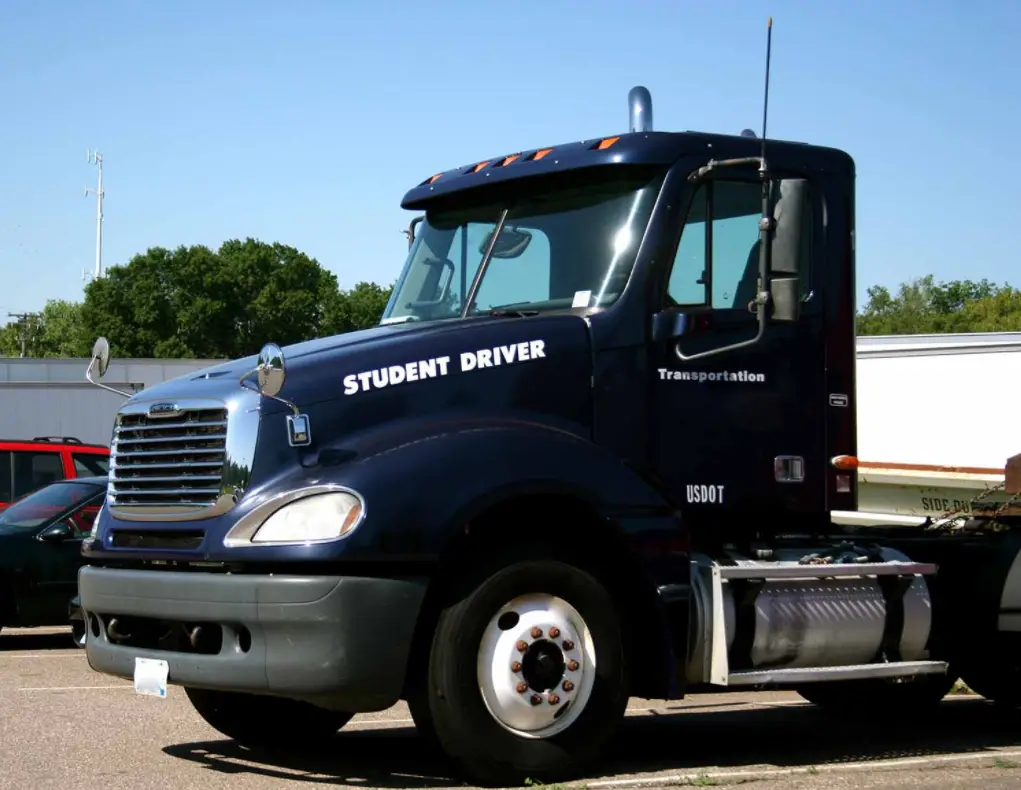
Agape CDL Training
4204 Selma Hwy Suite 107, Montgomery, AL 36108, USA
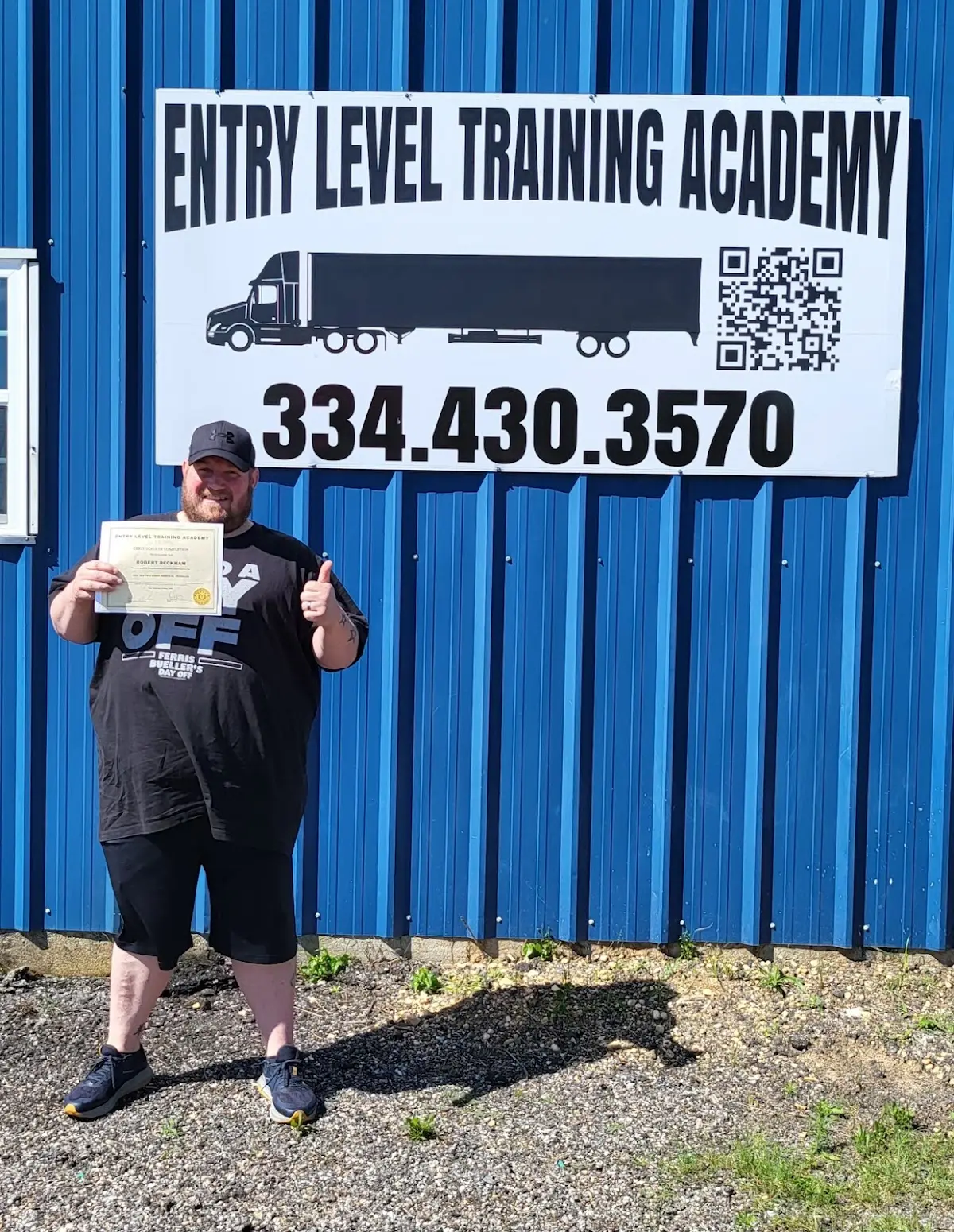
Entry Level Training Academy
5185 Lower Wetumpka Rd Building A, Montgomery, AL 36110, USA
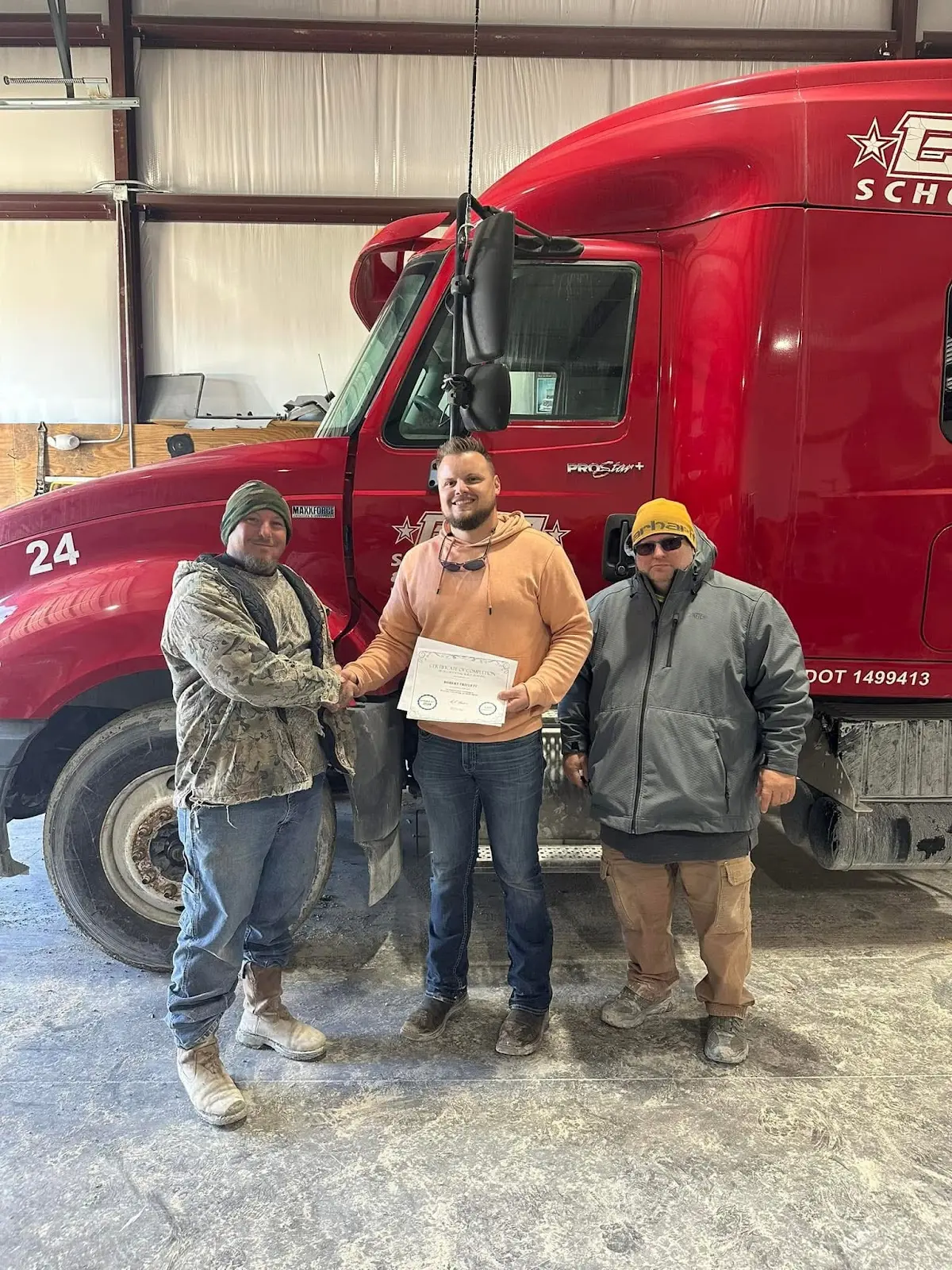
Trenholm Truck Driving
5420 Troy Hwy, Montgomery, AL 36116, USA
U Can Drive Academy
London House Rd, Montgomery, AL 36110, USA
Your Complete Guide to Getting a Driver's License in Montgomery
Author: Vladimir Rodriguez
Welcome, Montgomery drivers — teens, parents, and adults seeking a new license or a commercial driving career. Whether you’re a 15‑year‑old ready to start drivers ed, a parent figuring out how to guide your teen through the process, or an adult preparing for a Class D or CDL license, this guide helps you find the right driving school near me. I’ll cover the licensing process in plain language, explain how to pick the best driving school (including truck driving school montgomery and cdl schools in montgomery al options), and give practical advice to keep you and your family safe on the road.
This guide naturally includes commonly searched terms like driving school, drivers ed in montgomery Alabama, truck driving school montgomery, and cdl schools in montgomery al — because these are the services you’ll likely compare while preparing to learn, practice, and test for a license in Montgomery.
Why a structured learning path matters for safety
- Learning to drive is about more than passing tests. A structured learning path — combining classroom knowledge, deliberate behind‑the‑wheel practice, and professional instruction — builds skills, hazard perception, and confidence.
- Formal drivers ed and professional instructors teach proven methods for scanning, defensive positioning, speed management, and emergency control — these reduce crash risk far more than ad‑hoc practice alone.
- For teens, structured learning combined with the Graduated Driver License (GDL) program helps reduce exposure to high‑risk situations (night driving, novice passenger distraction) during the most dangerous months of independent driving.
Use this guide as your roadmap. Read carefully, follow the steps, and reach out to certified driving schools and the Alabama Law Enforcement Agency (ALEA) when you need exact office procedures or to confirm documentation for your appointment.
The Alabama Licensing Process: A Detailed Step-by-Step Journey
Below is a clear, practical path to getting licensed in Alabama — from the first learner's permit through the road test and the intermediate license, including the basic GDL restrictions for teen drivers. Exact paperwork and some procedures can change; always verify current forms, fees, and office hours with ALEA before you visit.
Step 1: The Learner's Permit
Who can get a learner's permit?
- Teens: Alabama issues learner’s permits to young drivers as part of the Graduated Driver License (GDL) system. Typically, teens can begin with a permit at age 15 if they’re enrolled in an ALEA‑approved driver education program or meet the program’s requirements. Many 15‑ and 16‑year‑olds use a learner’s permit to begin supervised driving before progressing to an intermediate license.
- Adults: Adults over 18 may also obtain a learner’s permit or instruction permit if they are new drivers or if they need to practice before the road test.
Requirements for 15 vs 16‑year‑olds
- 15‑year‑olds: Often must be enrolled in or have completed an approved drivers ed course to qualify for an initial learner’s permit. Because each case can vary (school enrollment, home schooling, special circumstances), confirm whether ALEA needs a certificate of enrollment or course registration.
- 16‑year‑olds: Typically can obtain a permit and begin building the required supervised driving hours to move toward the intermediate license. If a 16‑year‑old completed drivers ed, that helps expedite some things and can be necessary for early permit issuance in some cases.
ALL required documents (what to bring)
When you go to an ALEA office in or near Montgomery to apply for a learner’s permit, bring ORIGINAL documents or certified copies only (photocopies and laminated documents are usually not accepted). Typical documentation includes:
- Proof of identity and date of birth: Original birth certificate (certified) or valid U.S. passport.
- Social Security number: Social Security card or a W‑2 showing SSN.
- Proof of Alabama residency: Two documents showing current Montgomery/Alabama address (examples: parent/guardian utility bill, mortgage statement, lease agreement, bank statement). If you’re a teen living with parents, the parent’s proof of residency plus a school enrollment form may be required.
- Proof of school enrollment/attendance or driver education enrollment or completion (for minors): This could include a certificate of completion for drivers ed or a school attendance form for students under 19.
- Parent/guardian consent: If you’re under 19, a parent or legal guardian may need to accompany you or provide a notarized consent form.
- Any legal name-change documents: If your current name differs from your birth certificate (marriage certificate, court order), bring certified name‑change documents.
- Payment for applicable fees: Bring a credit/debit card or acceptable payment method.
Written knowledge test details
- Test length and passing score: Alabama’s knowledge (written) test checks your understanding of road signs, traffic laws, and safe driving practices. The written test commonly consists of a set number of multiple‑choice questions; a passing score is typically high enough to demonstrate solid knowledge of the manual. Study the Alabama Driver’s Manual thoroughly before you test.
- Study tips using the official manual:
- Read the manual cover to cover: The manual includes the exact rules that will appear on the test: signs, signals, right‑of‑way, speed limits, DUI laws, and GDL rules.
- Take practice tests: Use official practice tests available online or from your driving school. Timed practice tests help you manage test anxiety.
- Make flashcards for signs and penalties: Signs and alcohol/drug laws are frequent test topics.
- Focus on areas teens commonly miss: GDL restrictions, night driving, seatbelt laws, and right‑of‑way scenarios.
- Vision screening: You’ll undergo a vision check; bring corrective lenses if you need them.
Step 2: Behind‑the‑Wheel Practice
Alabama’s state-mandated 30‑hour requirement
- Alabama requires new teen drivers to complete a set amount of supervised behind‑the‑wheel practice before advancing to an intermediate license. The widely adopted requirement is a minimum of 30 hours total supervised driving, including at least 10 hours at night.
- Keep a logged, signed record: Parents or supervising adults should keep a log of all supervised driving hours, dates, start and end times, weather conditions, and the skills practiced. Many driving schools provide logbooks. You may need this record for the intermediate license application.
Checklist of skills to practice
Use this checklist with your supervising adult or driving instructor. Aim to feel confident in each skill before taking the road test:
- Pre‑drive checks and safety: mirrors, seat adjustment, seat belts, children’s seats, inspection.
- Parking: angle parking, nose‑in parking, perpendicular parking, parallel parking, correct use of mirrors and checking blind spots.
- Three‑point turns: quick, controlled, safe execution in confined spaces.
- Basic control: smooth acceleration, braking, steering, and clutch control (if learning in a manual).
- Lane control and lane changes: proper signaling, mirror checks, blind‑spot checks.
- Merging and interstate driving: safe merging, adjusting speed, gap acceptance on I‑65 and local Montgomery interstates.
- Highway driving: maintaining speed, merging, safe following distances, lane discipline, and long‑distance driving habits.
- City driving in Montgomery: navigating downtown, roundabouts, traffic calming measures, one‑way streets, pedestrian crossings near Alabama State University and shopping areas.
- Defensive driving and hazard anticipation: scanning, predicting other drivers’ actions, managing intersections.
- Night driving: glare control, reduced visibility techniques, headlamp use.
- Adverse weather: safe techniques for rain, wet roads, and limited visibility.
Value of professional instruction vs parent‑only practice
- Professional instruction offers structured lessons, certified instructors, and consistent feedback. Driving schools teach exam routes, test preparation, and core hazard skills in a way parents may not be trained to deliver.
- Parent‑supervised practice is invaluable for quantity and comfort practice — your teen needs real‑world miles. However, parents should follow a structured plan and use the same checklists professionals use.
- Best practice: Combine both. Use a driving school for formal behind‑the‑wheel instruction and to review specific test skills, then supplement with extensive parent‑supervised driving to fulfill the 30‑hour requirement and to build experience.
Step 3: The Road Test
How to schedule in/near Montgomery
- Scheduling: Road tests are scheduled through ALEA driver license offices. Some offices allow walk‑ins but most recommend or require appointments. Use the ALEA website or call the nearest office in Montgomery to make an appointment. Some driving schools will schedule tests on your behalf and can provide a car for the test.
- Location options: Montgomery has ALEA driver license offices; if an appointment slot is unavailable, nearby counties may have openings. Plan ahead — weekends and late afternoons fill up quickly.
Vehicle requirements for the road test
Bring a vehicle that meets ALEA’s requirements and is safe and legal for the exam:
- Valid registration: current license plate and registration for the vehicle.
- Proof of insurance: the vehicle must be insured and you must carry proof.
- Vehicle condition: working lights, brakes, horn, mirrors, windshield without major cracks, properly inflated tires, and no dashboard warning lights that indicate mechanical issues.
- Licensed driver: a supervising licensed driver must accompany you to the test site.
- If using a driving school’s car: many schools provide vehicles that are properly insured and equipped for testing. Verify with the school ahead of time.
What examiners evaluate
During the road test, the examiner observes your practical driving skills. Expect evaluation in these areas:
- Signaling: timely and correct use of turn signals and brake lights for stops and turns.
- Speed control: appropriate speed for conditions and obeying posted limits.
- Observation and scanning: constant mirror checks, scanning intersections, and awareness of pedestrians and bicyclists.
- Lane control and positioning: maintaining lane, correct lane changes, and correct turning positions.
- Right‑of‑way: safe and lawful yielding and understanding of intersections, roundabouts, and crosswalks.
- Parking and maneuvers: parallel parking (if required), three‑point turns, backing, and stopping on hills.
- Smoothness and control: smooth acceleration, braking, and steering without jerky or unsafe maneuvers.
- Compliance: obeying traffic signs and signals, following instructions from the examiner.
If you fail
- Don’t panic. Most drivers improve quickly after feedback. The examiner will tell you where you lost points. Fix the issues through practice (ideally with a certified instructor), and then schedule a retest.
Step 4: Alabama's Graduated Driver License (GDL) Program
The GDL program is designed to phase teen drivers into full driving privileges by limiting high‑risk situations early on. Key restrictions and requirements for teen drivers include:
- Permit holding period: Teens must hold a learner’s permit for a minimum time (commonly six months) and complete required supervised driving hours (the 30‑hour requirement, including night hours) before applying for an intermediate license.
- Passengers: GDL rules limit non‑family passengers for newly licensed teen drivers. For an initial period after getting an intermediate license, passengers under a certain age (often under 21) who are not immediate family may be restricted or limited to one additional passenger. These restrictions are intended to reduce distraction-related crash risk.
- Curfew (night driving restriction): Teen drivers often have night driving restrictions during the early months of licensure. Curfew hours vary by state and GDL phase; commonly, newly licensed teens are restricted from driving during late night/early morning hours unless accompanied by a licensed adult or for work/school reasons.
- Seat belt and cell phone rules: Strict seat belt use is enforced for all occupants. Many states include bans on texting and handheld cell phone use for drivers under 18.
- Progression to full license: After satisfying the permit holding period, supervised driving hours, and any GDL requirements (including no major violations), teens may qualify for a full, unrestricted license typically at age 18.
Note: GDL rules can change and have specific wording for passenger limits and curfews. Confirm current, exact GDL restrictions with ALEA or your driving school before your teen’s permit or license milestone.
How to Choose the Perfect Driving School in Montgomery
Choosing the right driving school can make the difference between a stressful experience and a confident, safe driver. Use the guidance below to evaluate options in Montgomery, whether you need drivers ed in montgomery Alabama, want professional behind‑the‑wheel lessons, or you’re exploring a truck driving school montgomery or cdl schools in montgomery al for a commercial career.
Factors to consider
- ALEA certification: Ensure the school and its instructors are certified or approved (where required) by ALEA. Certification indicates instructors meet state training and background requirements.
- Instructor experience: Check how long instructors have been teaching and their familiarity with ALEA testing routes in Montgomery.
- Student success rate: Ask about pass rates for road tests and written tests.
- Vehicle fleet: Make sure vehicles are well‑maintained and representative of the license type you need (manual vs automatic; CDL trucks for truck training).
- Curriculum and hours: Confirm classroom and behind‑the‑wheel hour packages and whether they align with state requirements.
- Flexibility & scheduling: Look for schools offering after‑school, weekend, and flexible scheduling.
- Safety and teaching approach: Look for a school that emphasizes defensive driving and hazard anticipation, not just test preparation.
Comparing Costs & Value
Typical price ranges and what’s included
- Standard driver’s ed (teen classroom + behind‑the‑wheel): $300–$700. Included: classroom instruction, a set number of behind‑the‑wheel hours (commonly 6–10 hours), practice test sessions, and sometimes permit test preparation materials.
- Behind‑the‑wheel packages only (for teens who did classroom elsewhere or adults): $200–$500 for packages of 4–10 hours.
- CDL training (truck driving school montgomery): $3,000–$8,000+ depending on course length (3–8 weeks), class of CDL (Class A vs Class B), and job placement services. Some schools offer financing, scholarships, or employer partnerships.
- Extras to expect vs optional:
- Included: certified instructor time, in‑car training, test preparation, and sometimes use of the school car for the road test.
- Extras/optional: additional behind‑the‑wheel time, specialized defensive driving classes, pickup/drop‑off services, expedited scheduling, or simulator time.
Look for value, not just the cheapest option
- The cheapest school may skimp on in‑car time, vehicle condition, or instructor experience. Evaluate what’s included, the pass rate, and reviews from past students.
- A mid‑range, certified program with a good reputation and clear curriculum is often the best value for building safe, confident drivers.
CDL Training vs. Regular Driver's Ed in Montgomery
Understand the major differences:
- Scope and purpose:
- Driver’s ed: Designed for new passenger vehicle drivers (Class D). Focuses on basic driving skills, laws, and safety.
- CDL training: Prepares students for commercial vehicle operation (Class A or B). Covers vehicle inspection, air brake systems, shifting in manual transmissions (if applicable), hauling techniques, backing maneuvers for large vehicles, hours‑of‑service rules, and more advanced safety training.
- Time and cost:
- Driver’s ed: Shorter courses (classroom + limited behind‑the‑wheel hours), lower cost.
- CDL school: Multi‑week programs with extensive hands‑on practice in large trucks, higher cost.
- Certification and testing:
- CDL candidates must pass a DMV/ALEA knowledge test for the appropriate CDL class, pass a skills test (vehicle inspection, basic control, road test), and meet medical certification (DOT physical) requirements.
- Truck driving schools often help with job placement and pre‑hire training for local carriers.
- Advice:
- If your goal is a commercial driving career, choose a reputable cdl schools in montgomery al or truck driving school montgomery with modern trucks, a strong safety record, and connections to local carriers.
- For passenger driving, a state‑certified driving school with good instructor ratios and a strong local reputation is ideal.
The Checklist: 10 Questions to Ask Before Enrolling
1. Is the school certified or approved by ALEA (or the relevant Alabama agency) for the specific course I need?
2. What is the total cost and what exactly is included (classroom hours, in‑car hours, permit test prep, road test car)?
3. What are your instructor qualifications, background checks, and average instructor experience?
4. What is the student‑to‑instructor ratio for behind‑the‑wheel lessons?
5. Do you offer flexible scheduling (evenings/weekends) and makeup lessons?
6. Do you use dual‑control cars for safety and training?
7. Can I use the school’s car for the official road test? If so, is there an added fee or restriction?
8. What are your pass rates for the written knowledge test and the road test (recent statistics)?
9. Do you provide a supervised driving log or app to track practice hours and night driving?
10. For CDL students: Do you provide DOT physical assistance, job placement, and hands‑on practice in the specific class vehicle I want to drive?
Why Accreditation Matters
Accreditation and state approval are more than paperwork:
- State certification ensures instructors have met background checks, training standards, and safety rules.
- Accredited schools are more likely to use up‑to‑date curriculum aligned with ALEA testing and safety recommendations.
- Some states and insurance carriers may give discounts to drivers who complete accredited drivers ed — check local insurance incentives.
Frequently Asked Questions (FAQ) for Montgomery Drivers
1. How much does driving school cost in Montgomery?
- Costs vary by type of instruction and package. For teen driver’s ed (classroom + basic behind‑the‑wheel), expect roughly $300–$700 depending on hours included and extras (pickup service, extra in‑car time). For single behind‑the‑wheel lessons or adult-only instruction, hourly rates often range $40–$75 per hour. CDL programs (truck driving school montgomery) are higher, often from $3,000 up to $8,000 or more depending on course length, truck type, and job placement services. Always ask for a written breakdown of what’s included and whether additional fees (road test car, retest fees, materials) apply.
2. How many behind‑the‑wheel hours are required in Alabama?
- Alabama requires teen drivers to complete a supervised practice driving total commonly set at 30 hours, including at least 10 hours of night driving, before moving from a learner’s permit to an intermediate license. In addition to formal lessons, keep a signed log of practice hours. Adult learners do not have the same formal hourly mandate but should get plenty of supervised driving and professional instruction if they are inexperienced.
3. Can I use a driving school's car for my road test?
- Many driving schools offer the option to use a school vehicle for the road test. This is convenient because the school’s vehicles are usually insured for testing and maintained to ALEA standards. Confirm with your chosen school:
- Whether they provide a car for the test.
- Any additional fee.
- Insurance coverage and what documents you need to bring.
- Whether the school will schedule the test for you or if you must do it through ALEA.
4. What's the difference between driver's ed and defensive driving?
- Driver’s ed: Entry‑level course for new drivers focusing on traffic laws, safe driving techniques, vehicle basics, and behind‑the‑wheel fundamentals. It prepares learners for permit and license tests and builds foundational skills.
- Defensive driving: Advanced training focused on crash avoidance, hazard recognition, advanced braking and evasive maneuvers, and strategies to reduce risk in complex or emergency situations. Defensive driving is valuable for improving safety beyond basic licensing requirements and is often recommended after initial licensure.
5. Are there special requirements for adult drivers over 18 in Alabama?
- Adults over 18 generally have a simplified process compared to teens: they need to pass the written knowledge test, vision screening, and the road test. While adults typically are not subject to GDL restrictions, they still must provide required identification, proof of residency, and Social Security information, and they may be required to complete a certain number of supervised practice hours if they’re new drivers. If an adult wants to convert an out‑of‑state license, different documentation and verification may be required. For CDL applicants, adults must pass DOT medicals and additional testing.
6. How can I verify a driving school is state‑certified by ALEA?
- Ask the school for their ALEA certification number or approval documentation. You can also:
- Check the driving school’s website for proof of accreditation.
- Contact ALEA or visit their official website to find a list of approved driver education providers or to verify a school’s status.
- Read reviews and ask local schools for references from recent students. Certified programs will readily provide verification if requested.
7. What are the GDL passenger and curfew restrictions for teen drivers?
- GDL passenger and curfew restrictions are designed to limit risk for newly licensed teen drivers. Typical restrictions include:
- A passenger limitation in the first months after licensure (limits on non‑family passengers under a certain age).
- Night driving restrictions or curfew during specific late night/early morning hours unless accompanied by a licensed adult, driving to/from work or school, or for emergencies.
- Specific passenger numbers, curfew hours, and exceptions can vary and change over time. Confirm the exact current limits with ALEA or your driving school before your teen takes the permit or road test.
8. Do I need an appointment for the learner's permit test at the Montgomery ALEA office?
- Appointment policies differ by location and time of year. ALEA driver license offices often offer online scheduling for permit tests and road tests, and appointments are recommended to avoid long wait times. Walk‑in service may be available for certain services, but planning an appointment is the best way to ensure you can take your test when you’re ready. Check ALEA’s official website or call the Montgomery office for the latest appointment procedures and to reserve a time slot.
---
Final safety reminders and next steps
- Start with the manual: Before you test or enroll in lessons, download and read the Alabama Driver’s Manual. It’s the legal baseline for written tests and safe driving behavior.
- Mix professional lessons with parent practice: Use a certified driving school for structure and examiner‑style training, and supplement with many hours of supervised driving with a parent or guardian to build real‑world experience.
- Keep documentation organized: Originals or certified copies only. Keep a dedicated folder for identity documents, school forms, insurance, and driving logs.
- Plan ahead for the road test: Schedule early and make sure your vehicle is fully legal and safe. If possible, use a school car — it can reduce the stress of making sure your vehicle meets all requirements.
- For CDL candidates: Complete your DOT medical exam, attend an accredited truck driving school montgomery or cdl schools in montgomery al, and ensure plenty of hands‑on practice.
If you’re in Montgomery and ready to begin, contact a reputable local driving school, check ALEA’s latest procedures, and start your permit preparation today. Driving is a life skill — take it seriously, build experience deliberately, and prioritize safety at every mile.
Explore Other City Guides
Discover the best driving schools in other popular locations near you: