
Top Driving Schools Near You
When searching for a 'driving school near me,' explore our curated list of the best local schools in Tuscaloosa, based on student reviews, DMV-alignment, and our expert criteria.
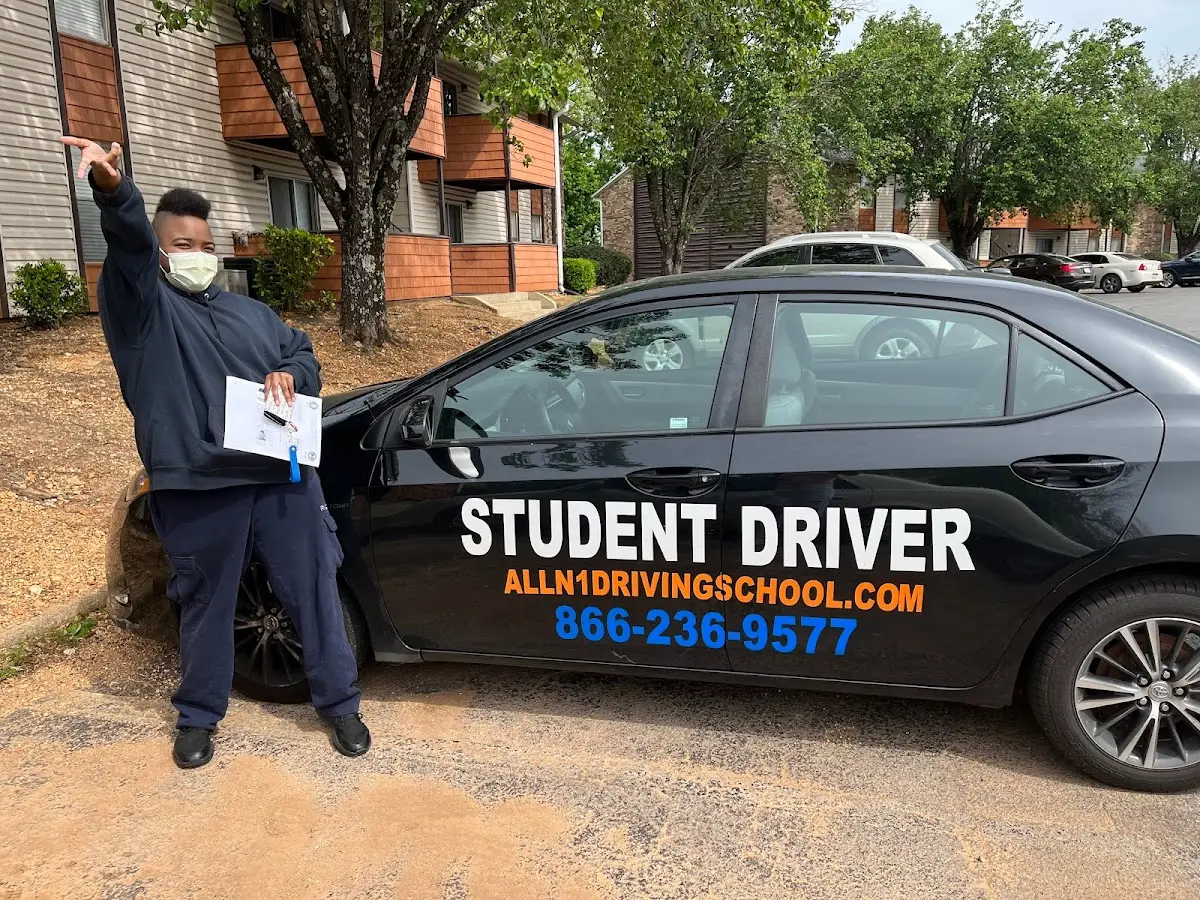
ALL N 1 DRIVING SCHOOL
3201 Skyland E Blvd, Tuscaloosa, AL 35405, USA
Defensive Driving
1406 22nd Ave, Tuscaloosa, AL 35401, USA
Your Complete Guide to Getting a Driver's License in Tuscaloosa
Author: Vladimir Rodriguez
Welcome, Tuscaloosa residents — teens, parents, and adults preparing for a license, and anyone exploring a CDL or truck driving school in Tuscaloosa, AL. This guide is your most practical roadmap to getting a driver’s license, finding the best driving school near me, and understanding what to expect on test day. I will walk you through the licensing steps, explain why a structured learning path matters for safety, and help you evaluate driving school options so you can make smart decisions for yourself or your teen.
You’ll see the natural terms that matter in local search and planning: driving school, drivers ed in Tuscaloosa Alabama, cdl school Tuscaloosa, and truck driving school Tuscaloosa AL. Those are the services and keywords you’ll be comparing as you plan lessons, behind-the-wheel practice, or professional CDL training.
Why a structured learning path matters for safety
- Driving is a complex skill that combines vehicle control, hazard recognition, decision-making, and risk management. A structured program (classroom + professional behind-the-wheel training + supervised practice) builds these skills progressively.
- Teens and new adult drivers who follow an organized curriculum and practice plan make fewer mistakes on the road and are less likely to experience crashes in their first years of driving.
- For commercial drivers, formal CDL training teaches safety-critical tasks (pre-trip inspections, vehicle systems, defensive maneuvers, hours-of-service awareness) that informal practice cannot reliably provide.
This guide gives clear steps and checklists you can follow. At the end you’ll find a practical checklist to help choose a driving school in Tuscaloosa and a robust FAQ that answers the common questions families and adult learners ask.
---
The Alabama Licensing Process: A Detailed Step-by-Step Journey
Note: Alabama’s licensing processes are administered by the Alabama Law Enforcement Agency (ALEA). Laws and administrative details can change — always verify final requirements and forms with ALEA or your local Tuscaloosa licensing office before you make appointments. Where the law names specific documents or tests, this guide emphasizes the standard paperwork and typical procedures you will encounter.
Step 1: The Learner's Permit
Getting a learner’s permit (instructional permit) is the first formal step for most teen drivers.
Who can apply and age differences
- Typically, students begin with an instructional permit. Many families pursue an instructional permit as early as age 15 to allow supervised practice before the first road skills test.
- By age 16, with required supervised driving hours and completion of any driver’s education program components, teens usually become eligible to take the road skills test for a restricted or provisional license.
- Adults who have never been licensed or whose license has expired also begin with the knowledge (written) test and may receive a permit appropriate to their circumstances.
Required documents at application (bring originals; photocopies not accepted)
- Proof of identity and date of birth (certified birth certificate or U.S. passport).
- Proof of Social Security number (Social Security card). If you do not have a SSN, ALEA procedures may require proof of ineligibility — check in advance.
- Proof of Alabama residency (two documents) — examples include a parent’s utility bill, bank statement, or school records with address. For adults, two documents with your name and Tuscaloosa address.
- Proof of legal presence in the U.S. if not a U.S. citizen (immigration documents).
- Parental/guardian consent for applicants under 19 (signed forms may be required).
- School enrollment or completion proof for minors (some schools provide forms verifying attendance).
Bring originals and be prepared to have them photocopied by ALEA.
Written knowledge test details
- The knowledge (written) test measures your understanding of Alabama traffic laws, road signs, and safe driving practices.
- Study the official Alabama Driver Manual thoroughly — it is your primary study resource and is usually the basis for all test questions.
- Typical written tests are multiple-choice; many driver manuals note a required passing percentage (commonly 80% across many states) and a test length (often 20–30 questions). Confirm the current question count and passing score with ALEA when you schedule your visit.
Study tips:
- Read the manual cover-to-cover and take notes on speed limits, signage, traffic signals, right-of-way rules, and GDL restrictions.
- Use practice tests (official or reputable third-party apps) to simulate test conditions. Repetition reduces test anxiety and exposes knowledge gaps.
- Focus on commonly missed topics: safe following distance, roundabouts, changing lanes, and school bus passing rules.
Vision and other checks:
- Expect a vision screening; bring corrective lenses if you need them. If you fail the vision screening, a note from an eye doctor may be required before a permit is issued.
Fees and paperwork:
- Bring payment for the permit issuance fee (check ALEA’s current fee schedule). Some offices accept card; others prefer cash.
Step 2: Behind-the-Wheel Practice
After you secure your permit, the real learning begins: getting seat time under supervised conditions.
State-mandated hours and structure
- Alabama emphasizes supervised driving practice. A commonly referenced standard is a 30-hour supervised behind-the-wheel practice requirement for new teen drivers before attempting the road skills test. That means 30 hours of focused, logged time driving with a responsible, licensed adult supervising.
- Within that 30 hours, incorporating a range of driving environments is critical: residential streets, busier city roads, and highway/freeway driving near Tuscaloosa.
- Many families split practice across weekends and evenings; consistent, shorter sessions are more effective than sporadic long drives.
Checklist of skills to practice (these are essential for test success and safe driving)
- Vehicle controls: smooth acceleration and braking, balanced steering, proper seating and mirror adjustments.
- Parking: angle parking, parallel parking, and straight-in parking in parking lots.
- Backing: backing in a straight line and backing into a parking space.
- 3-point turns (turnabout): practice in a quiet, legal location until spatial judgment is solid.
- Lane changes and merges: mirror-check-signal-shoulder (MSSS) routine until it becomes automatic.
- Turns and cornering: proper lane positions, signaling, and yield decisions.
- Intersections: controlled and uncontrolled intersection right-of-way rules; four-way stop rotation.
- Roundabouts: yield entry, maintain lane position, exit awareness.
- Highway driving: entering at proper speed, merging, using the right lanes, maintaining safe following distances, and overtaking safely.
- City driving: scanning for hazards, pedestrian awareness, handling bus and school zones, active observation at crosswalks and intersections.
- Night driving and adverse conditions: reduced visibility skills, safe following distances, and hazard recognition in rain or fog.
- Emergency handling basics: controlled braking, evasive steering, awareness of ABS systems.
Value of professional instruction vs parent-only practice
- Professional driving instructors provide structured teaching methods, objective feedback, and experience with test routes and examiner expectations. They can accelerate skill acquisition and correct habits that parents might miss.
- Parent-led practice is valuable for volume of hours and comfortable skill reinforcement at home, but parents may unconsciously allow risky habits or inconsistent instruction.
- The ideal path: combine certified driving school lessons (professional behind-the-wheel with an experienced instructor) with extensive supervised practice at home. Many schools offer packages that include in-car instruction plus documentation that helps satisfy permit/practice requirements.
Logging hours and tracking progress
- Keep a practice log that records date, start/end times, total minutes, weather, driving environment (neighborhood/highway), and skills practiced. This is essential for meeting practice-hour documentation and helps you track progress over time.
Step 3: The Road Test
When you and your instructor/parent believe you’re ready, schedule the road skills test.
Scheduling your road test in/near Tuscaloosa
- Road tests are administered by ALEA driver license offices or contracted testing locations. Schedule via the ALEA website or by calling your local Tuscaloosa office. Appointments are often necessary; walk-ins may be accepted in limited cases but expect long waits.
- Book several weeks in advance during busy months (spring and summer) when teens are testing prior to graduation.
Vehicle requirements for the road test
- The vehicle you bring must be legally registered, insured, and in safe operating condition:
- Valid vehicle registration in the vehicle.
- Proof of current insurance coverage that includes the vehicle.
- Working seat belts for the driver and examiner.
- Functional lights (headlights, brake lights, turn signals), horn, windshield wipers, and mirrors.
- Tires in safe condition and no major body damage that impacts functionality.
- No dash warning lights indicating safety system failures (e.g., brakes, airbags, engine).
- Examiner’s discretion: Examiners may refuse to test if the vehicle is unsafe. If you use a driving school’s car, many schools provide vehicles that meet requirements and include insurance coverage for the test.
What examiners evaluate
Examiners look for safe, legal, and consistent driving performance. Typical areas of assessment:
- Observational habits: mirror checks, scanning intersections, shoulder checks before lane changes.
- Signaling and communication: timely use of turn signals and lane-change signals.
- Speed selection and control: obeying posted limits and adjusting speed for conditions.
- Lane maintenance: staying centered in the lane, proper lane changes.
- Following distance: maintaining a safe gap from the vehicle ahead.
- Turns and intersections: approach speed, lane selection, yielding, and stopping behavior.
- Parking and maneuvers: ability to perform parallel parking, 3-point turns, and backing maneuvers smoothly and safely.
- Response to traffic controls: stops at stop signs, yield behaviors, and compliance with traffic signals.
- Overall risk judgment: ability to anticipate hazards and respond safely.
Scoring and outcomes:
- Examiners typically have a scoring rubric; any critical safety error may result in immediate test failure. Lesser errors accumulate into a score. If you don’t pass, ask the examiner for clear feedback and steps to improve before you retake the test.
Step 4: Alabama's Graduated Driver License (GDL) Program
Alabama’s Graduated Driver License program aims to reduce risk for new drivers by imposing progressive privileges and restrictions. The exact text and details of the GDL rules are governed by ALEA statutes and administrative rules; always confirm the current restrictions with ALEA. Below I summarize the common GDL components you will encounter.
Key components of GDL for teen drivers
- Instructional Permit Phase: Supervised driving only. Passenger and curfew restrictions often apply when learners are in the early stage.
- Intermediate/Restricted License Phase: Once teens pass the road test and meet supervised driving hour requirements, they typically receive a restricted license that carries limitations on nighttime driving and passenger composition.
- Full Unrestricted License: After completing a minimum period of holding a restricted license without violations (commonly 6–12 months), most teens may graduate to a full license with no GDL restrictions, provided they meet age and clean-driving criteria.
Common teen restrictions (what parents and teens most frequently need to know)
- Passenger restrictions: Limits on the number of non-family teen passengers for the first months of licensure. This reduces distraction risk.
- Nighttime/curfew restrictions: Teen drivers commonly face driving hour limits (e.g., no driving between certain late-night and early-morning hours) unless for employment, school, or accompanied by a licensed adult. Specific hours and exceptions are defined by state rules.
- Seat belt and supervision requirements: All occupants must use seat belts and minors may require immediate family presence for some permit phases.
Consequences:
- Violation of GDL restrictions can lead to fines, license suspension, or delayed timing for moving to full licensure.
Because GDL restrictions carry legal penalties and vary by state updates, confirm precise passenger and curfew limits with ALEA or your Tuscaloosa licensing office before relying on them for planning school or work schedules.
---
How to Choose the Perfect Driving School in Tuscaloosa
Choosing the right driving school is one of the best investments in a new driver’s future. A good school reduces crash risk, increases confidence, and improves chances of passing the road test on the first try.
What to look for in a Tuscaloosa driving school
- Certified instructors with experience teaching novices.
- ALEA-approved curriculum (state-certified drivers ed).
- Availability of school vehicles for in-car lessons and road tests.
- Strong safety focus: defensive driving, hazard perception training, and night driving practice.
- Clear pricing, cancellation policies, and scheduling flexibility.
- Good reputation: reviews, local references, and transparent completion documentation.
Comparing Costs & Value
Typical price ranges and what’s usually included
- Classroom drivers ed (teen program): $150–$400 — usually includes in-class instruction and sometimes a basic package of behind-the-wheel hours.
- Behind-the-wheel lessons (private): $40–$75 per hour for individual lessons. Packages (e.g., 6–10 hours) often offer lower per-hour costs.
- Comprehensive teen packages (classroom + multiple in-car sessions + permit test prep): $300–$700.
- CDL training (commercial/tractor-trailer): $3,000–$8,000 for full courses that prepare students for Class A CDL testing and include road skills, backing practice, and endorsement prep. Shorter or more basic CDL courses may cost less.
What’s included vs extras
- Included: instructor time, use of school’s dual-control vehicle for lessons, basic prep materials, and sometimes a permit test prep.
- Extras: using the school vehicle for the official license road test (may be included or a separate fee), additional hours, pickup/drop-off services, weekend or holiday surcharges, and specialized lessons (e.g., night driving or intensive test prep).
Look for value, not just the cheapest option
- Cheapest isn’t always best. An inexpensive school that skimp on instructor time, uses outdated vehicles, or lacks ALEA approval can leave a student underprepared.
- Prioritize schools with certified instructors, proven pass-rate metrics, a dual-control vehicle for safety, and transparent reporting of what’s included.
CDL Training vs. Regular Driver's Ed in Tuscaloosa
These are very different pathways with different goals, requirements, and outcomes.
Regular driver’s ed (passenger vehicles)
- Audience: teens and non-commercial adult drivers.
- Focus: basic vehicle control, traffic laws, safe driving habits, and GDL compliance.
- Typical outcome: Class D (passenger vehicle) license.
CDL training (commercial driver’s license; Class A/B/C)
- Audience: adults seeking commercial driving careers, truck driving school Tuscaloosa AL, and people enrolling in a cdl school Tuscaloosa.
- Focus: vehicle systems for large trucks, pre-trip inspections, air brake systems, coupling/uncoupling, backing and maneuvering large combinations, driving for long distances, hours-of-service rules, federal regulations, and endorsement preparation (e.g., HAZMAT).
- Requirements: medical card (DOT physical) is mandatory; certain background checks and drug testing may be required by employers or schools.
- Outcome: Class A, B, or C CDL, often with endorsements.
Advice:
- If your goal is to drive commercially, pick a reputable cdl school Tuscaloosa with strong employer connections and modern trainers. For non-commercial driving, choose a drivers ed in Tuscaloosa Alabama program with ALEA certification and a proven track record for teen safety outcomes.
The Checklist: 10 Questions to Ask Before Enrolling
Before you commit money and time, ask these ten questions of any driving school:
1. Is the school ALEA-certified for drivers ed (for teen programs)? Can you show proof of certification?
2. What are the instructor qualifications and background checks? Are instructors state-licensed?
3. What is the student-to-instructor ratio for classroom and behind-the-wheel sessions?
4. How many behind-the-wheel hours are included in the basic package? Are additional hours available?
5. Does the school provide a vehicle for the actual road test? Is there an extra fee?
6. Are in-car vehicles dual-control (instructor brake) vehicles for safety?
7. What is the school’s on-time pass rate for the road test? Can you provide local references?
8. Are instructors trained in defensive driving, hazard recognition, and night driving instruction?
9. What are the cancellation, rescheduling, and refund policies?
10. Is there help with appointment scheduling at ALEA offices and guidance on required documents for permits/tests?
Why Accreditation Matters
- ALEA certification (or state approval) is the official seal that a driving school meets minimum standards for curriculum, instructor training, and record-keeping. Certification ensures your teen’s educational credits and hours will be recognized by the state for licensing steps.
- Non-accredited programs may offer lower costs but can leave you with inadequate preparation or unaccepted hours at the time of licensing.
- For CDL programs, accreditation or recognition by reputable industry associations, and ties with local carriers or staffing agencies, matter for job placement.
---
Frequently Asked Questions (FAQ) for Tuscaloosa Drivers
Here are detailed answers to the most common questions families, teens, and adult learners ask in Tuscaloosa.
1. How much does driving school cost in Tuscaloosa?
- Cost varies by program type:
- Teen classroom drivers ed: typically $150–$400 depending on hours and included materials.
- Combined packages (classroom + multiple behind-the-wheel lessons): often $300–$700.
- Per-hour private lessons: commonly $40–$75 per hour.
- CDL training (Class A): $3,000–$8,000 for a full course, depending on length, amenities, and job-placement services.
- What’s included: some packages include permit-test prep, use of a school car for road test, and extra practice materials. Always ask for a written list of included services and any additional fees.
2. How many behind-the-wheel hours are required in Alabama?
- A commonly referenced standard for new teen drivers is 30 hours of supervised behind-the-wheel practice before attempting the road skills test. Additionally, many programs recommend or require professional in-car instruction (several hours). Always record and document your supervised hours with a signed log.
- Confirm the exact, current requirement with ALEA or your local Tuscaloosa driver license office, as administrative details may update.
3. Can I use a driving school's car for my road test?
- Many driving schools offer the option to use the school’s dual-control vehicle for the official road test for an extra fee or as part of a package. Using the school car can be helpful because you’ll be familiar with the vehicle and instructors typically ensure it meets ALEA standards.
- If you plan to use a personal vehicle, ensure it is properly registered, insured, and in safe operating condition. The examiner reserves the right to cancel the test if the vehicle is unsafe.
4. What's the difference between driver's ed and defensive driving?
- Driver’s ed (drivers ed in Tuscaloosa Alabama) is a formal instructional program that teaches new drivers the basics: traffic laws, vehicle handling, road signs, and skills essential to obtain a license. It typically includes a classroom component and behind-the-wheel lessons.
- Defensive driving is a specialized program focused on reducing crash risk through strategies such as hazard anticipation, space management, evasive maneuvers, and crash avoidance techniques. Defensive driving can be a supplemental course for experienced or new drivers to reduce insurance premiums or improve on-road judgment.
- Many quality programs integrate defensive-driving principles into drivers ed, but a standalone defensive driving course is more concentrated on risk avoidance rather than licensing mechanics.
5. Are there special requirements for adult drivers over 18 in Alabama?
- Adults who have never been licensed or who allow their license to expire for a long period typically must pass the vision screening, knowledge test (written), and a road skills test. They usually do not fall under GDL teen restrictions but may still need to complete practical behind-the-wheel testing.
- Adults seeking a CDL face additional requirements: a DOT medical certificate (medical card), background checks for certain endorsements (like HAZMAT), and employer-mandated drug testing. CDL-specific training at a cdl school Tuscaloosa will prepare applicants for these requirements.
6. How can I verify a driving school is state-certified by ALEA?
- Ask the school for their ALEA certification number or documentation and cross-check it with ALEA’s list of approved schools (available on the ALEA website) or call the ALEA licensing office. Certified schools should be able to show current approval documents and list the instructor credentials.
- For CDL schools, look for program accreditation, clear outcomes, and employer relationships.
7. What are the GDL passenger and curfew restrictions for teen drivers?
- GDL programs typically impose passenger limits (restricting the number of non-family teenage passengers) and curfew restrictions (prohibiting driving during specified late-night hours) during the intermediate period. These rules are intended to reduce distraction and exposure to higher-risk conditions.
- Typical examples include limits on passengers under age 21 for the first 6–12 months and bans on driving during late-night hours unless supervised or for work/school. Because exact hours and passenger counts are set by ALEA regulations and may change, verify the current rules directly with ALEA before relying on them.
8. Do I need an appointment for the learner's permit test at the Tuscaloosa ALEA office?
- Many ALEA driver license offices require or strongly recommend appointments for written permit tests and road tests to reduce wait times. Walk-ins may be accepted at some locations but expect longer waits or limited availability.
- Check ALEA’s website for online appointment scheduling options or call your local Tuscaloosa office to confirm their appointment policy and hours.
---
Final tips for Tuscaloosa drivers and families
- Start early: Beginning supervised practice as soon as a permit is issued builds safer, more confident drivers.
- Prioritize quality instruction: Combine certified driving school lessons with parent-supervised driving to maximize learning and meet practice-hour requirements.
- Document everything: Keep a careful log of supervised driving hours and copies of all forms, receipts, and test results. This protects you if paperwork questions arise.
- Practice on local roads: Tuscaloosa-specific driving situations — campus traffic, downtown congestion, and nearby highways — should be practiced so new drivers are comfortable with the environments they’ll encounter.
- Schedule tests wisely: Avoid rushing into the road test. Schedule only when you consistently demonstrate safe driving habits during practice sessions.
- For CDL seekers: Choose a reputable truck driving school Tuscaloosa AL with strong safety instruction, modern equipment, and connections to local employers.
This guide gives you an authoritative roadmap from permit to full licensure and helps you choose the right driving school or CDL program in Tuscaloosa. Verify specifics with ALEA prior to appointments, keep your practice consistent, and prioritize safe habits — those are the best predictors of success behind the wheel.
Safe driving and good luck on your road to licensure!
- Vladimir Rodriguez
Explore Other City Guides
Discover the best driving schools in other popular locations near you: